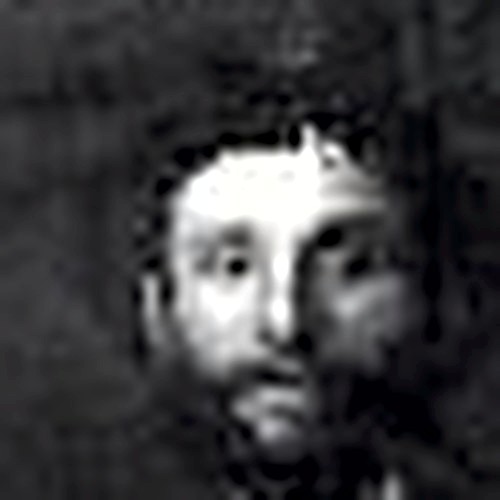
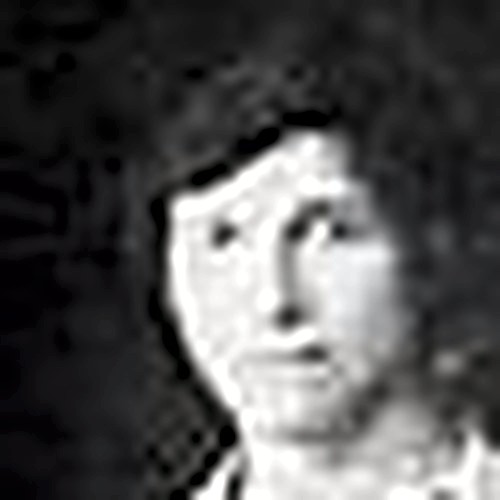
Henri Feldmann landed at the Port of New York on 8 December 1921, aboard the R.M.S. Olympic — the slightly older sister ship of the Titanic. He had sailed from Cherbourg, France. He was twenty-four, single, and, like both his uncle Simon and his older brother Sam before him, headed straight for Alabama. He listed his occupation as grocer. He went to Mobile, where Sam had been living since 1907.
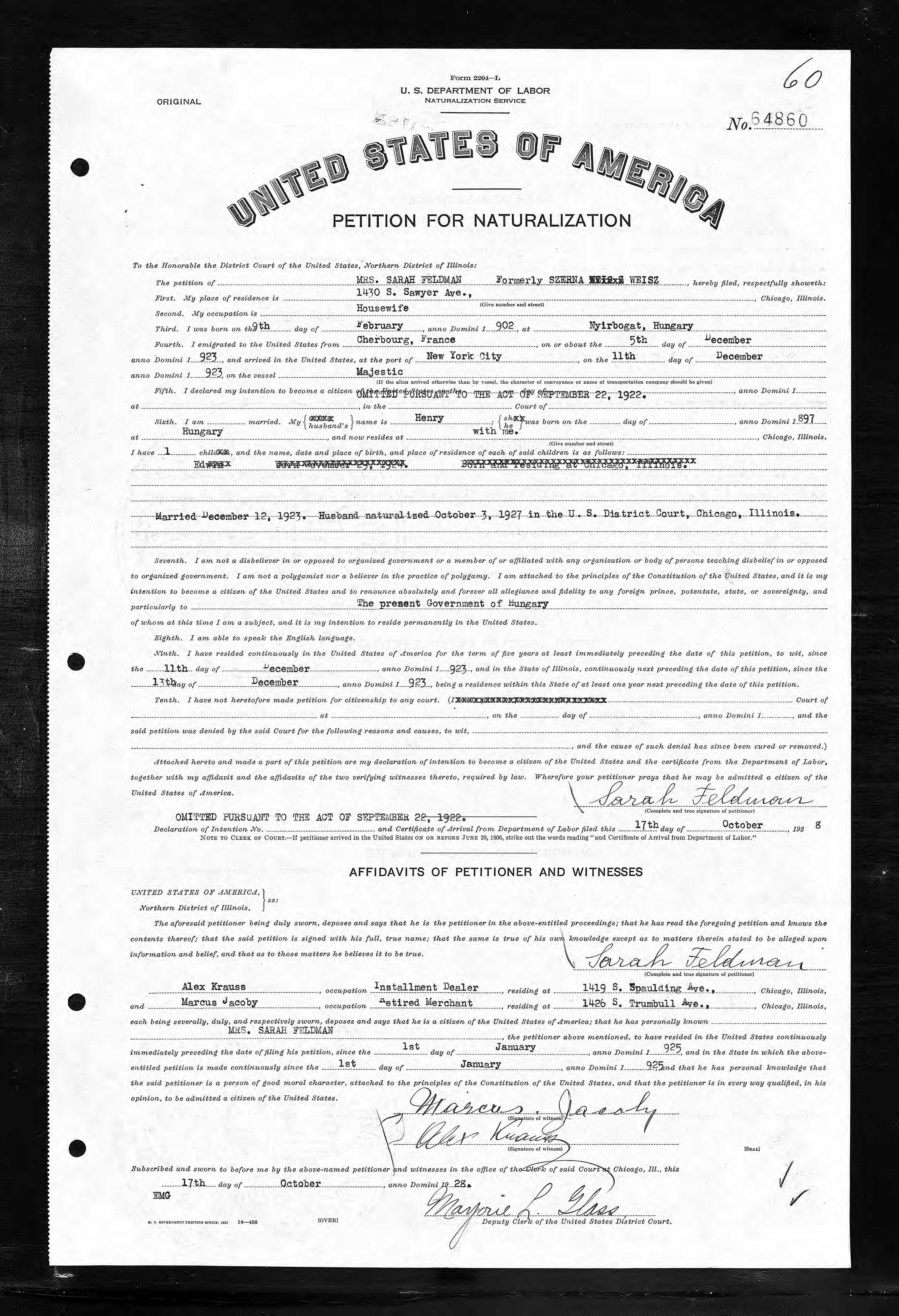
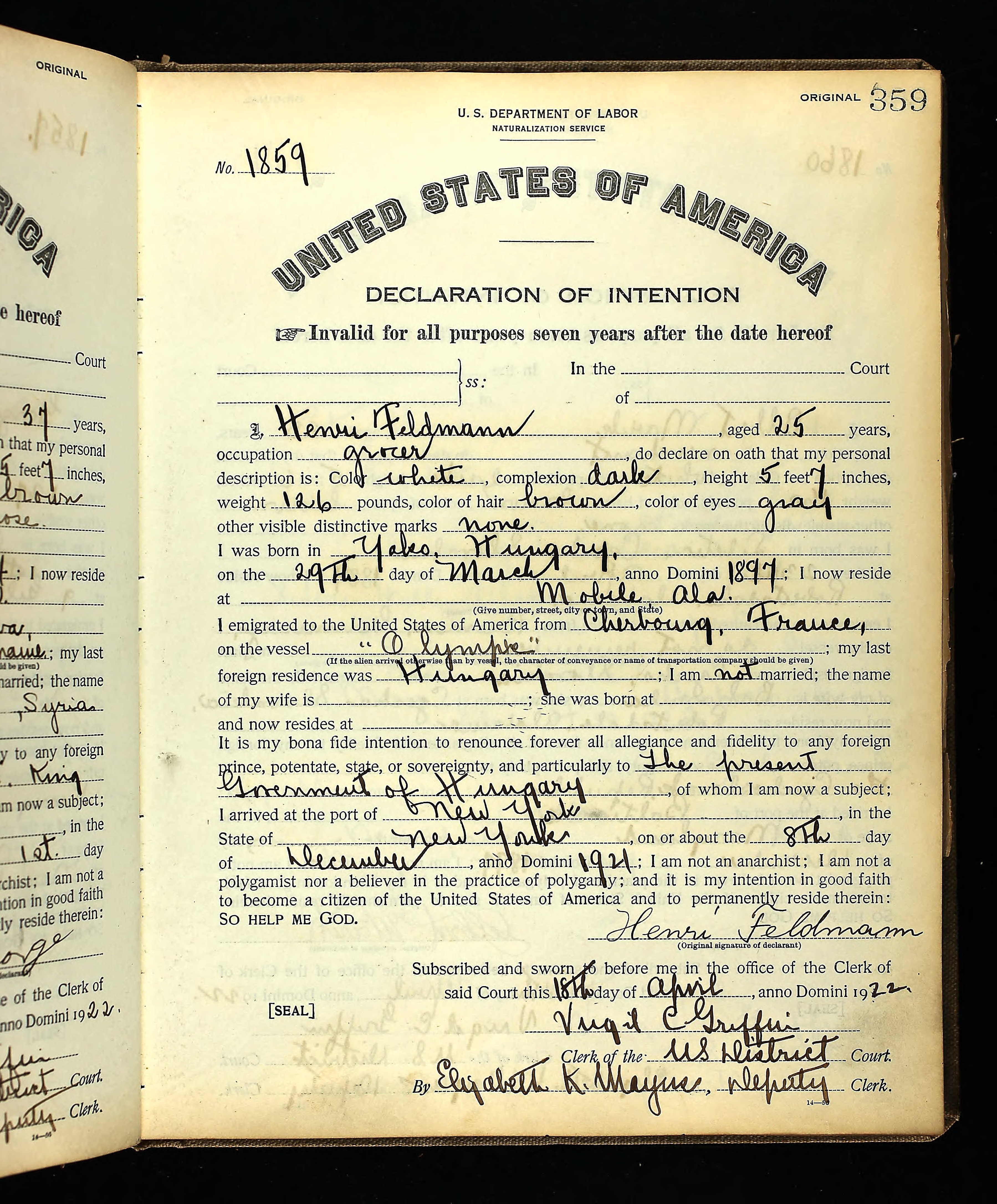
He filed his Declaration of Intention in Mobile on 18 April 1922 — only four months after stepping off the boat. The form is handwritten, his signature still in the original "Henri Feldmann" Hungarian-French orthography. But Mobile would not last for him. By 12 December 1923 — twenty months later — he was in Chicago marrying his first cousin Sarah (Szerena) Weisz, who had arrived from Hungary the day before.
This was an arranged trans-Atlantic match. Sarah was the daughter of Rozalia Grósz Weisz of Nyírbogát — meaning her mother and Hymie's mother (Amália Grósz Feldman) were sisters. The two Grósz girls had each married, stayed in Hungary, and now their children were marrying each other in Chicago. The Feldman-Weisz wedding of 1923 is one of the three documented first-cousin marriages in this generation of the family (see Chapter Two).
Hymie's choice of Chicago over Mobile, in the end, is what bent the family's whole American future toward the Midwest. His brother Sam would follow him north within a few years. Their sister Esther would arrive in 1939 and use the same address. And in 1950, after the Holocaust, their niece Bobby Weisz — Sarah's first cousin and Hymie's niece — would come to America as a survivor, and her American sponsor and first registered home would be: H. Feldman, 1247 South California Avenue, Chicago.
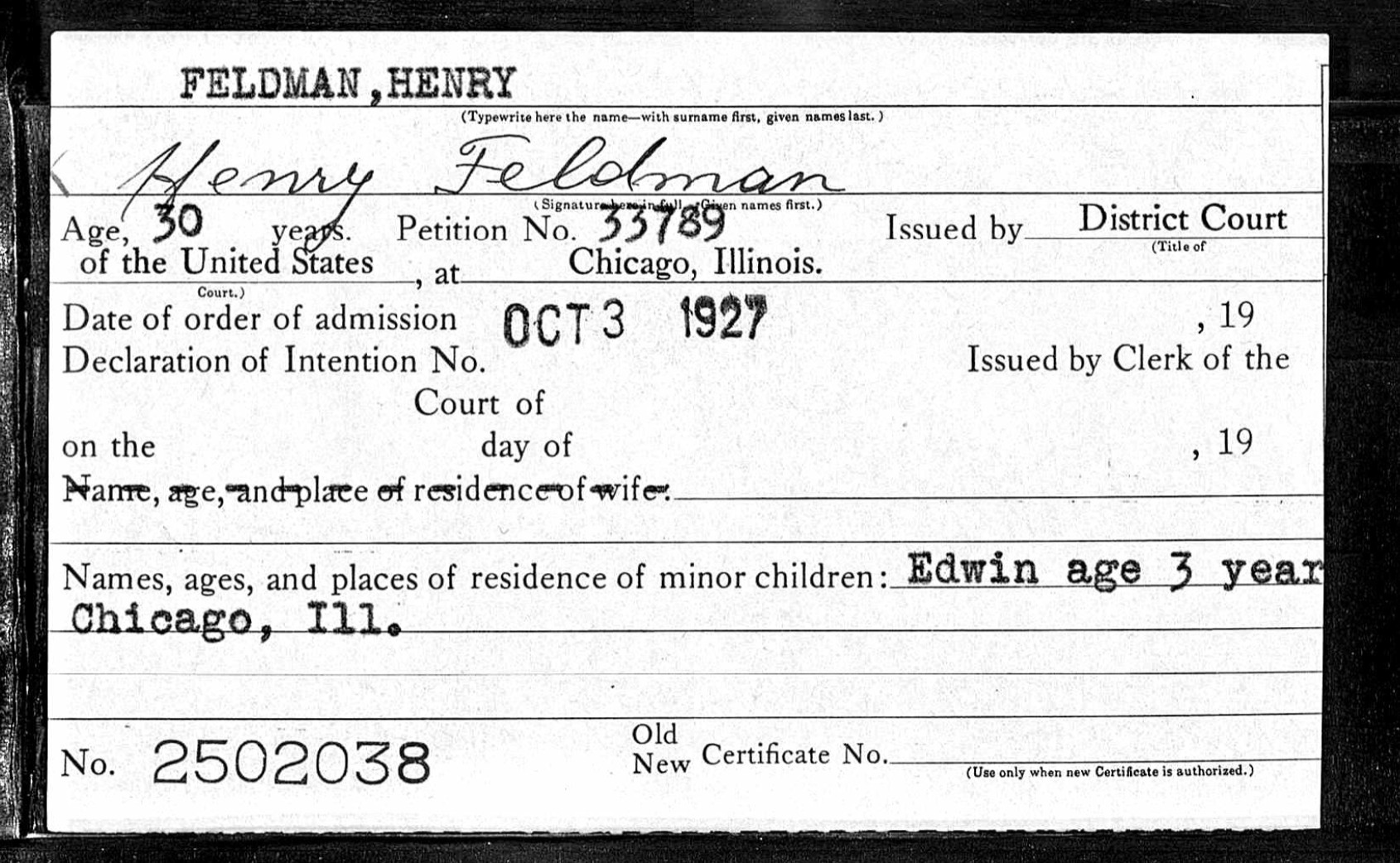
He was naturalized on 3 October 1927 in Chicago — Petition № 33789, Certificate № 2502038. By the late 1940s Hymie owned several rental properties in Chicago, including the 1247 S. California building where Irene first stayed in 1950, and the 53rd Street house in Hyde Park where Aunt Esther later rented from him when her daughter Sandra was born. The Feldmans were Chicago landlords in addition to whatever other trades they pursued. The practical anchor of the family in America — the one with citizenship paperwork, with addresses to put on landing cards, with apartments to fill.
He died on 16 December 1990 in Chicago, age 93 — three months after his nephew Laci died in Brooklyn.
Henri Feldmann was born on 29 March 1897 in Jákó, a village in Szabolcs County in northeastern Hungary. He was a younger son of Elias Feldman and Amália Miriam Grósz. His older brother Sam had already left for Mobile, Alabama, in 1907 when Henri was ten. His uncle Simon Grósz had been in Selma since 1905. By the time Henri was old enough to think about leaving, the southern Hungarian-Jewish merchant network of Selma and Mobile was twenty years old.
He filed his Declaration of Intention in Mobile on 18 April 1922, only four months after stepping off the boat. The form is handwritten, in the careful spidery script of a man learning a new alphabet. He signed it “Henri Feldmann” — in the original Hungarian-French orthography he had carried with him. This is the last document on which he signs his pre-Americanized name. The Mobile period would last about twenty months.
Hymie’s 1923 pivot from Mobile to Chicago is the single moment that bent the family’s entire American future toward the Midwest. He left Alabama for Chicago to marry Sarah Szerena Weisz — the daughter of his mother’s sister Rozalia Grósz Weisz of Nyírbogát.
This was an arranged trans-Atlantic match. Sarah’s mother and Hymie’s mother had each married, stayed in Hungary, and now their children were marrying each other in Chicago — the second Grósz cousin marriage in two generations. Sarah arrived from Hungary on 11 December 1923. Hymie married her the next day, 12 December 1923, in Chicago. After Sarah’s long ocean crossing she had a wedding the next morning, not a hotel room.
Hymie’s 1923 choice of Chicago over Mobile is what made Chicago possible for everyone who came later. His brother Sam would follow him north within a few years. His sister Esther would arrive in August 1939, three weeks before Hitler invaded Poland, and her destination on the SS Queen Mary manifest was Hymie’s apartment at 1247 S. California Avenue, Lawndale, Chicago. And in 1950, after the Holocaust, Hymie’s niece Bobby Weisz — daughter of his murdered sister Regina, survivor of Auschwitz, with five years in Sweden behind her — arrived at the same Lawndale apartment. Hymie was her sponsor of record.
He was naturalized on 3 October 1927 in Chicago — Petition № 33789, Certificate № 2502038. He took six years from arrival to citizenship. His brother Sam, who arrived fourteen years earlier, would take thirty-three.
The most detailed picture we have of Hymie comes not from a document but from the way he orchestrated Bobby’s 1950 arrival from Sweden. Hymie filed her American paperwork from Chicago. When Bobby crossed the Atlantic by boat from Sweden to New York, Hymie sent someone to meet her boat at the New York pier — that person took her to the train. The train rolled west across Pennsylvania and Ohio and into Illinois, and when it pulled into Chicago, Hymie was waiting on the platform.
But the family’s plan for her was not what was written on her landing card. The address she carried was Hymie’s, at 1247 S. California Avenue in Lawndale. The family had decided she would live with her aunt Esther on the South Side — in Esther and David’s brand-new house at 9044 S. Merrill. So Hymie drove her not to his own apartment but across the city to Esther’s. That was the moment the lifeline he had built since 1923 finished its work: Bobby was on the South Side, in a Klein-Weisz-Feldman household, in America.
By the late 1940s Hymie owned several rental properties in Chicago. Two of them mattered to this family: the 1247 S. California building in Lawndale, which Esther landed at in 1939 and Bobby stayed at briefly in 1950, and a 53rd Street house in Hyde Park, which Esther rented from him starting 1947 and which became Bobby’s home from February 1950 until February 1952, when Bobby moved to Brooklyn for her wedding to Laci Klein.
Hymie was the last of the three Grósz-line men who had crossed the Atlantic between 1905 and 1921. He had been the youngest of them. He outlived them all. The Chicago apartment Bobby came home to in 1950 was his.
Immigration documents first — the 1921 manifest, the 1922 handwritten Mobile Declaration, the 1923 Chicago marriage record, and the 1927 naturalization certificate.
Port of New York. Cherbourg to NYC. Confirms Henri Feldmann’s age (24), marital status (single), occupation (grocer), and destination (Mobile, Alabama).
U.S. District Court for the Southern District of Alabama at Mobile. Handwritten, signed in his original Hungarian-French orthography as “Henri Feldmann.” The last document on which he uses his pre-American name.
U.S. District Court at Chicago. Petition № 33789, Certificate № 2502038. Six years from arrival to citizenship.
Chicago / Cook County, Illinois. One day after Sarah arrived from Hungary. Anchors the Chicago pivot.
Both confirm 1247 S. California Avenue as Hymie’s 1939 address (Esther’s arrival destination) and as Bobby’s 1950 first American address. The 53rd Street Hyde Park house is anchored in Bobby’s 2014 testimony.
The vetted prose treatment of the Selma-Mobile-Chicago network. Multiple paragraphs trace Hymie’s 1923 pivot in detail. Read Chapter Six →
Uncle Hymie · Regina's younger brother · m. Sarah Szerena Weisz (b. 9 Feb 1902, d. Jul 1979 Chicago) — his first cousin, Esther Weisz Schon's older sister · Known as Hymie to his wife Sarah, to her sister Esther, and to the next generation including Sandra Kiferbaum. The name on civil records and government documents is Henry; the name in family is Hymie. Same person. · arrived NYC 8 December 1921 on the R.M.S. Olympic from Cherbourg, age 24 · went first to Mobile, Alabama where his older brother Sam had been since 1907 · filed his Mobile Declaration of Intention 18 April 1922 (signed "Henri Feldmann") · pivoted to Chicago in late 1923 to marry his first cousin Sarah on 12 December 1923 — one day after she arrived from Hungary · naturalized 3 October 1927 in Chicago (Petition № 33789, Certificate № 2502038) · son Edwin b. 29 Nov 1924 · Sarah and Hymie owned rental properties in Chicago, including the 1247 S. California building where Irene first stayed in 1950 and the 53rd Street Hyde Park house where Aunt Esther rented from them · the practical anchor of the family in America · Bobby's "H. Feldman, 1247 S. California Ave., Chicago" on her 1950 SS Stockholm passenger manifest — her American sponsor and first registered address · Simon Gross was first in America (1905), Sam was second (1907); Hymie was third, but the one whose Chicago move bent the family's whole American future toward the Midwest · died 16 December 1990 in Chicago, age 93, three months after his nephew Laci died in Brooklyn.