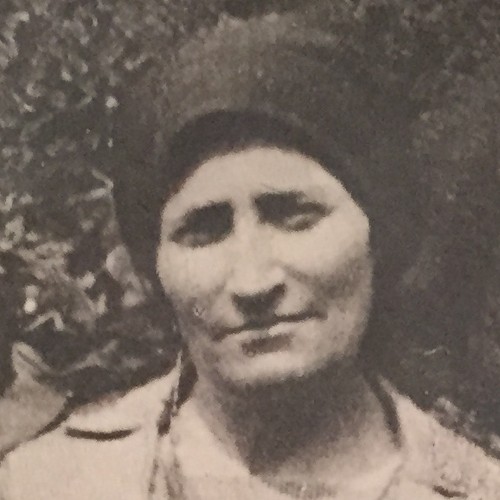
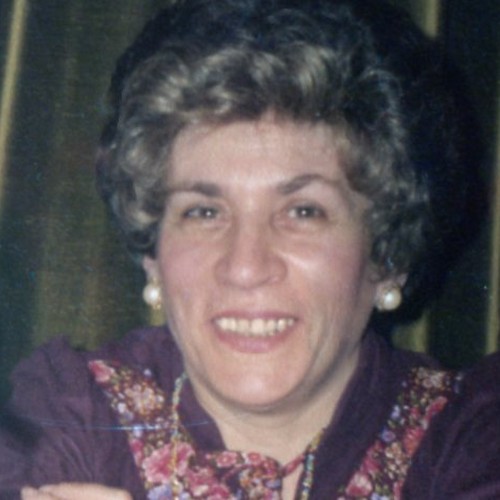
— GENERATION 10 · KLEIN · KOHEN —
Jenő Klein

Jenő Klein

"Jenő bácsi" ("Uncle Jenő") · Hebrew name Eliyahu (אליהו) · הכהן · Kohen

Jenő's path between Auschwitz and Theresienstadt is documented at Yad Vashem (Central Database of Shoah Victims’ Names record #4744989). The route is consistent with the wider record of Hungarian-Jewish men deported in May 1944: selected at Auschwitz for labor, transferred to Buchenwald as parent camp, and routed to the new Tröglitz/Rehmsdorf subcamp the SS had just opened on 4 June 1944.

The subcamp existed for one specific purpose: Allied bombing on 12 May 1944 had brought the Brabag synthetic-fuel plant in Tröglitz to a standstill, and the SS supplied ~5,000 men — mostly Hungarian Jews routed via Auschwitz and Buchenwald — to clear bomb damage and restart production. The future Nobel laureate in literature, Imre Kertész, was at the same camp; he later wrote about it in Fatelessness (1975). Working conditions were catastrophic: twelve-hour days, insufficient food, constant SS violence. After roughly four weeks most prisoners could no longer meet the demands; the SS continuously replaced them, sending the “unfit” back to Buchenwald and, in many cases, on to Auschwitz to be murdered. More than 5,800 of the approximately 8,600 prisoners who passed through Tröglitz/Rehmsdorf between June 1944 and April 1945 died.

On the night of 6–7 April 1945 the camp was hastily evacuated. The remaining ~3,000 prisoners were loaded into ten open coal wagons and sent toward Theresienstadt. About 900 died en route. The train ended at Reitzenhain, ninety kilometers short of Theresienstadt, after an American Air Force attack. SS members and local residents shot at least 380 prisoners who tried to escape. The rest were force-marched to Theresienstadt. Jenő was thirty-one years old. He was liberated at Theresienstadt on 8 May 1945. Of the five people in the Klein household twelve months earlier — Emanuel, Lina, Ilona, Jenő, Laci — only he and Laci were left.

Laci's older brother · Hebrew name Eliyahu (added v3.59 — confirmed via family photograph caption) · Kohen · liberated at Theresienstadt 8 May 1945 · returned to Hungary after the war · married Esti (known to Tatty's children and grandchildren as Esti néni) in Hungary · had six daughters · emigrated to America in 1959 (per Tatty's recollection — corrected v3.18) · settled in Boro Park, Brooklyn · owned a children's furniture store on New Utrecht Avenue · co-sponsor of the Tiszadob cemetery memorial with Laci · died 17 June 2006 in Brooklyn at age 92, sixteen years after Laci (date corrected v3.51 via Yitz Feig — earlier site copy said "before 1990" which was wrong; that misdating was inconsistent with Eli's own memory of visiting Jenő's store as a child) · the carriage and the candy in Eli's earliest memory came from this man · photograph of Jenő and Esti added to the site v3.59

Zeidy's older brother — the other Klein sibling who survived the war. His path was through Theresienstadt; liberated 8 May 1945. He returned to Hungary, married Esti, fathered six daughters, then fled with his family in the wake of the 1956 Revolution and reached Boro Park in 1959. He opened a children's furniture store on New Utrecht Avenue; every time Menachem and Fruma had a baby, Jenő sent something from the store for the new child. His granddaughter (Sara Gluck's eldest) is Rachel "Ruchie" Freier, the first Hasidic woman elected to a NY State Supreme Court judgeship. Source: Chapter 3.
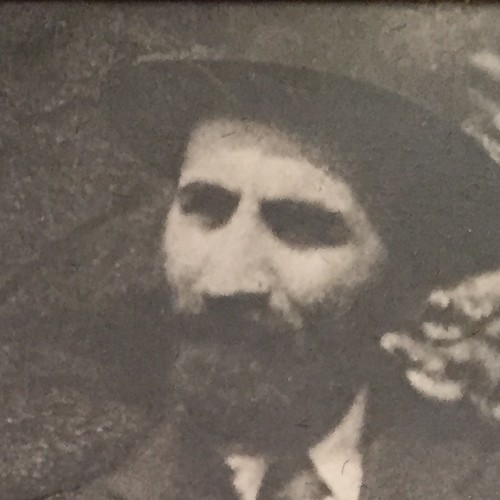
— THE FACTS WE’VE GATHERED —

The shape of their life

From civil records, family memory, and primary sources. Empty rows are research targets.

Identity
Civil name
Jenő Klein
Hebrew name
Eliyahu · אליהו · הכהן
Hungarian / nickname
"Jenő bácsi" ("Uncle Jenő")
Religious lineage
Kohen — second of four Klein siblings
Deportation route (May 1944)
Tiszadob → Nyíregyháza ghetto → Kassa (handoff to SS) → Auschwitz-Birkenau in late May 1944
Selected for labor
Auschwitz selection → transferred onward to Buchenwald as the parent camp for routing to a forced-labor subcamp
Subcamp · 1944–1945
Tröglitz / Rehmsdorf · Buchenwald external subcamp · official SS designation “Men’s external camp Braunkohle-Benzin AG (Brabag), Zeitz” · code name “Wille” · the family knew it as Zeitz lager
Forced labor
Brabag (Braunkohle-Benzin AG) synthetic-fuel plant · 12-hour days of heavy construction and clearing work · insufficient food · constant SS harassment · ~8,600 prisoners passed through the camp · over 5,800 died · mortality rate roughly two-thirds
Evacuation · 6–7 April 1945
Camp evacuated by SS on the night of 6–7 April 1945 · ~3,000 remaining prisoners loaded onto a train of ten open coal wagons headed for Theresienstadt · about 900 died en route · train ended at Reitzenhain (90 km short of Theresienstadt) after an American Air Force attack · SS and local residents shot at least 380 prisoners who attempted to escape · survivors force-marched the rest of the way
Liberated
8 May 1945 · Theresienstadt (Terezín), Czechoslovakia · age 31 · among the survivors who reached Theresienstadt after the Tröglitz/Rehmsdorf evacuation
Birth
Born (civil)
27 September 1913 (registered 5 October 1913 in the Tiszadob civil register, entry 99)
Born (Hebrew)
— not yet documented — +
Place of birth
Tiszadob
Time of birth
— not yet documented — +
Birth-order
Second of Emanuel & Lina's four children (after Ilona 1912; before Lajos 1914 and Laci 1922)
Family
Father
Emanuel Klein (Menachem HaKohen) — keresk. segéd (merchant's clerk), age 26 at Jenő's birth; promoted to kereskedő (merchant) by Lajos's 1914 birth
Mother
Lina Goldstein Klein (Malka bas Pinchas HaKohen) — age 27 at his birth
Married
— not yet documented — +
Spouse
Esti Klein (Hebrew: Esther) — married postwar in Hungary
Years married
— not yet documented — +
Children
6 daughters · Sara Gluck · Devorah Heller · Toby Kain · Rachel Schmidt · Gitty Engelman a"h · Miriam Schwartz a"h
Life
Trade / occupation
Postwar Bodrogkeresztúr stone quarry; later children's furniture store on New Utrecht Avenue, Boro Park
Lived in
Tiszadob · Theresienstadt · Hungary postwar · Vienna 1957–1959 · Boro Park, Brooklyn from 1959
Immigration
Arrived NYC
1959 · via Vienna refugee transit · Hungarian Revolution wave
Naturalized
— not yet documented — +
Petition number
— not yet documented — +
Alien Reg. No.
— not yet documented — +
Death
Died (civil)
17 June 2006
Time of death
— not yet documented — +
Yahrzeit (Hebrew)
— not yet documented — +
Place of death
Brooklyn, NY
Cause of death
— not yet documented — +
Age at death
92 years old
Place of burial
— not yet documented — +
Grave inscription
— not yet documented — +
Photographed
— not yet documented — +
— RECORDS & DOCUMENTS —

The paper trail

Each card below is part of the documented record. Empty slots are open requests.

— THE PEOPLE IN THEIR LIFE —

Family

The generations they stood between.

— PHOTOGRAPHS —

Photographs

F · family record Jenő Klein · birth record, 1913 "Jenő bácsi" — Uncle Jenő — born 27 September 1913 in Tiszadob, regist
F · family record Jenő Klein · birth record, 1913 "Jenő bácsi" — Uncle Jenő — born 27 September 1913 in Tiszadob, regist. Father Klein Emánuel, keresk. segéd (merchant's clerk), age 26; mother Goldstein Lina, age 27. He survived the war and lived in Brooklyn until 2006. Hebrew name Eliyahu (אליהו) HaKohen.
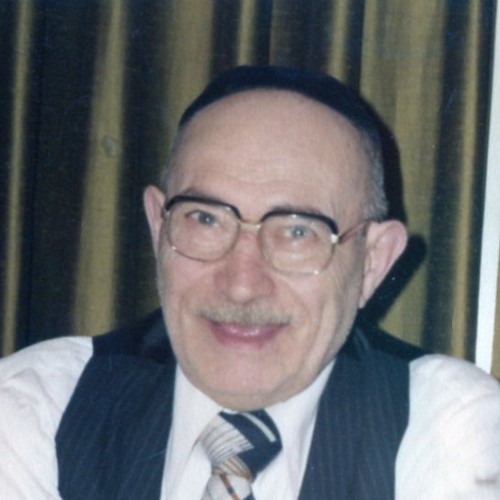
F · family photograph Jenő and Esti Klein · Boro Park Jenő Klein (Hebrew: Eliyahu ) and his wife Esti , photographed at
F · family photograph Jenő and Esti Klein · Boro Park Jenő Klein (Hebrew: Eliyahu ) and his wife Esti , photographed at. Jenő was Zeidy Laci's older brother and the only other Klein sibling besides Laci to survive the war (his path was through Theresienstadt). After 1959 they settled in Boro Park; Jenő ran a children's furniture store on New Utrecht Avenue. They had six daughters. Jenő died 17 June 2006 at age 92.
— PROVENANCE —

Where this comes from

The records, memories, and sources behind each claim.

The Klein × Weisz Archive is a multi-generational record of two Hungarian Jewish lines, joined by Bobby and Laci’s marriage in 1952.

MIGRATED V5.07 · Have something to add?