
Gallery
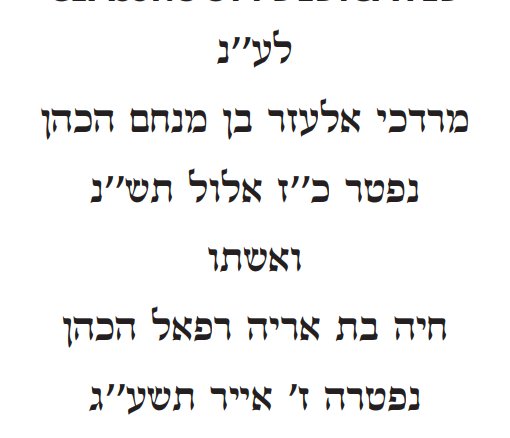
The matzeivos of the Feig family — gravestones photographed in situ at the cemeteries in Deans, New Jersey, with full Hebrew transcriptions, English translations, and the traditional acrostic structure preserved letter by letter. The stones are the most authoritative single source the archive has for the family’s Hebrew names — they confirm what civil records left half-said. As more family stones are photographed, each one will be added here in the same template.
Below: Bobby · Zeidy · Feter Isaac
This is the world the family came from before any photograph of it survives. We have names — Klein, Schvartz, Weisz, Goldstein — and a few villages on a map of what is now eastern Hungary, but no faces. What follows are the places themselves, and what daily life looked like for Hasidic Jewish families in this region in the 1700s and 1800s.
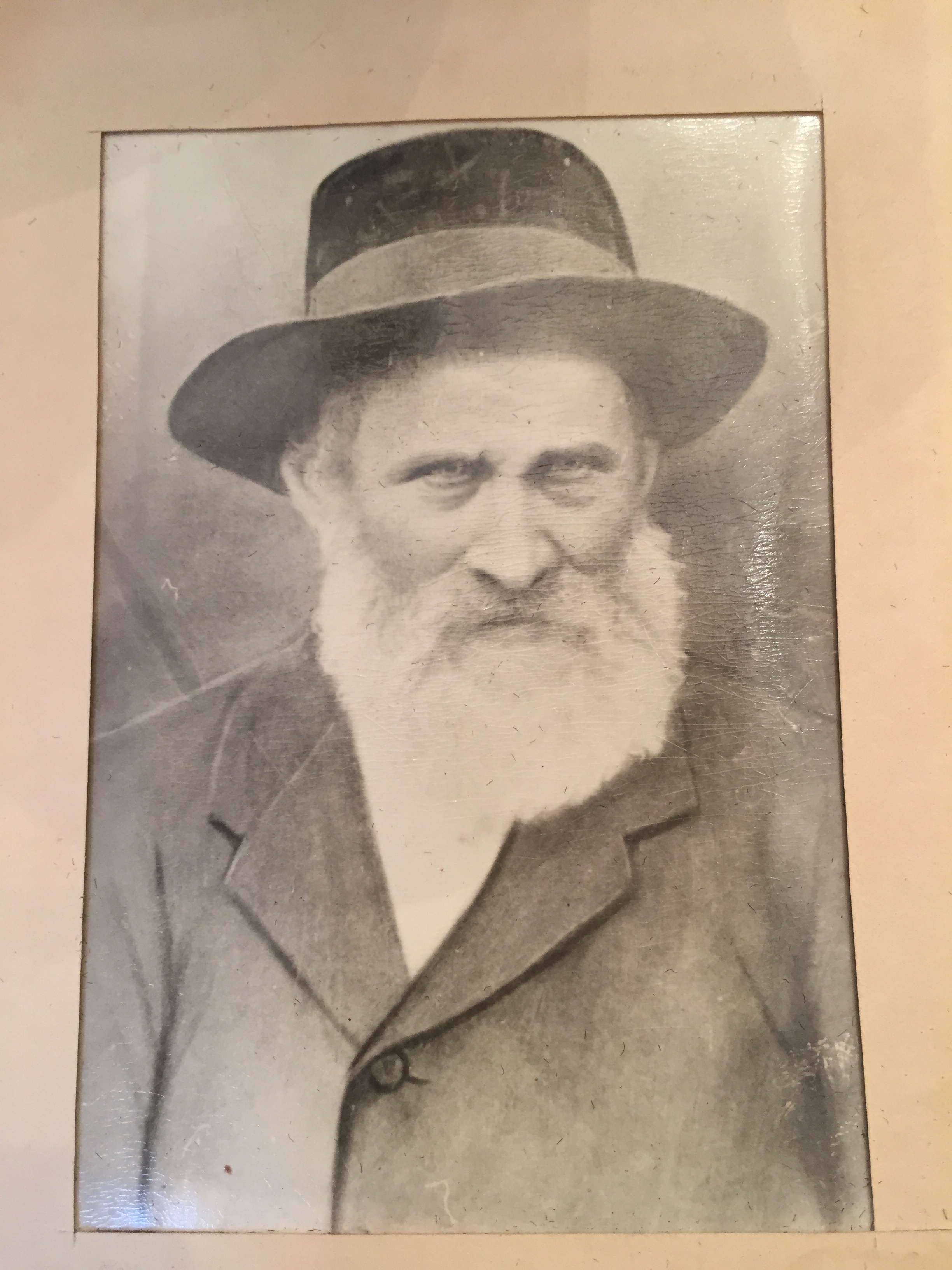
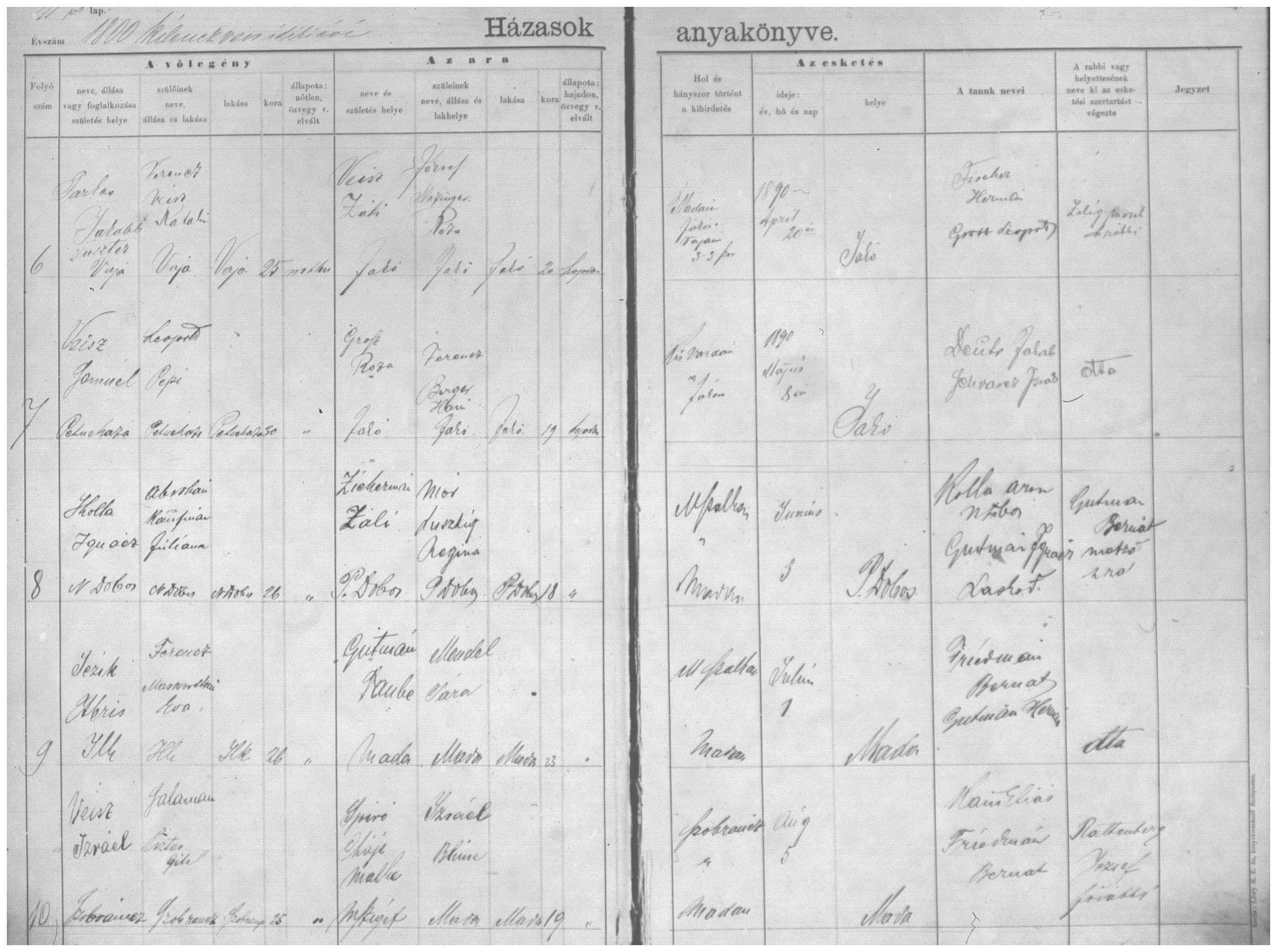
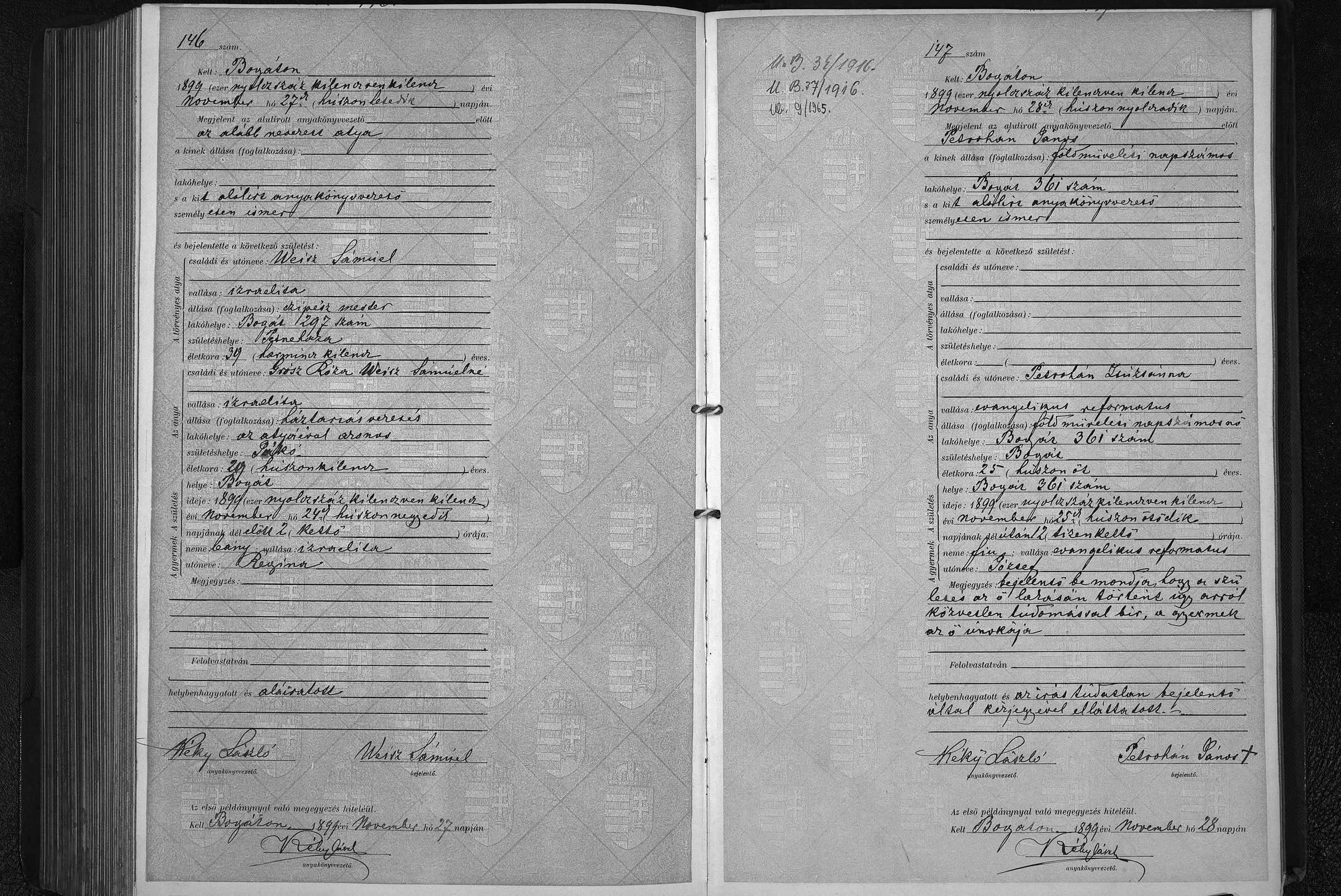
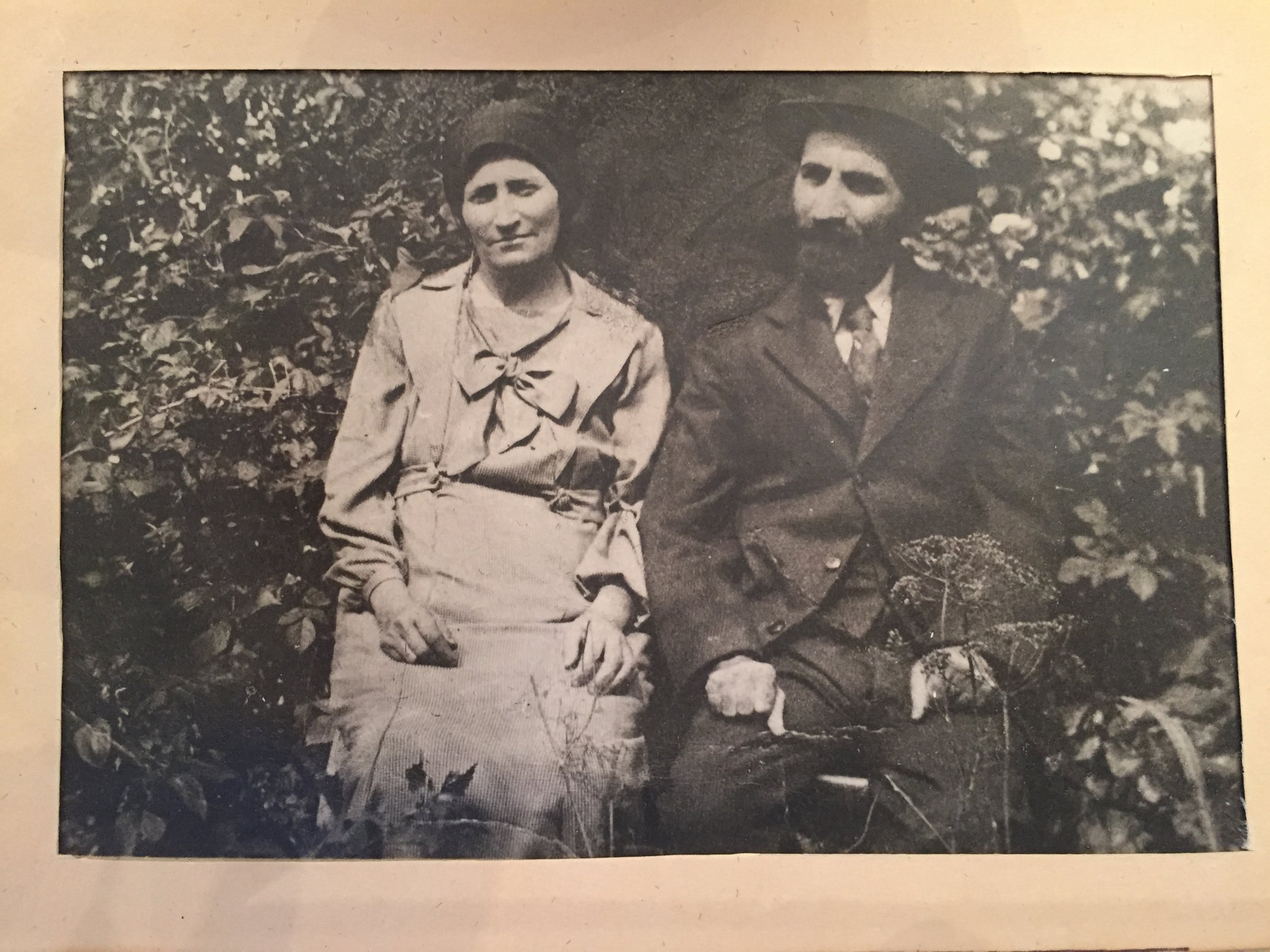
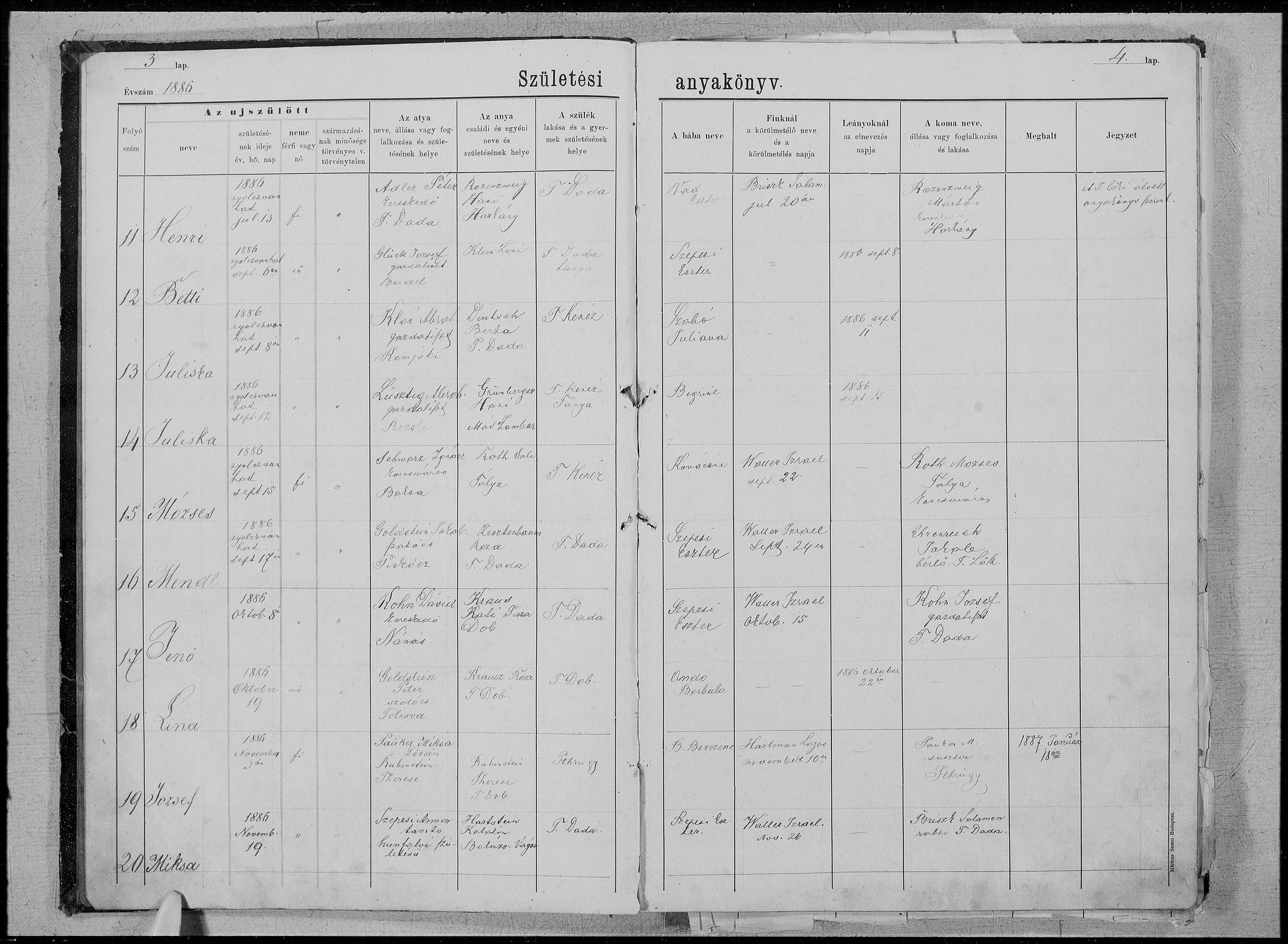
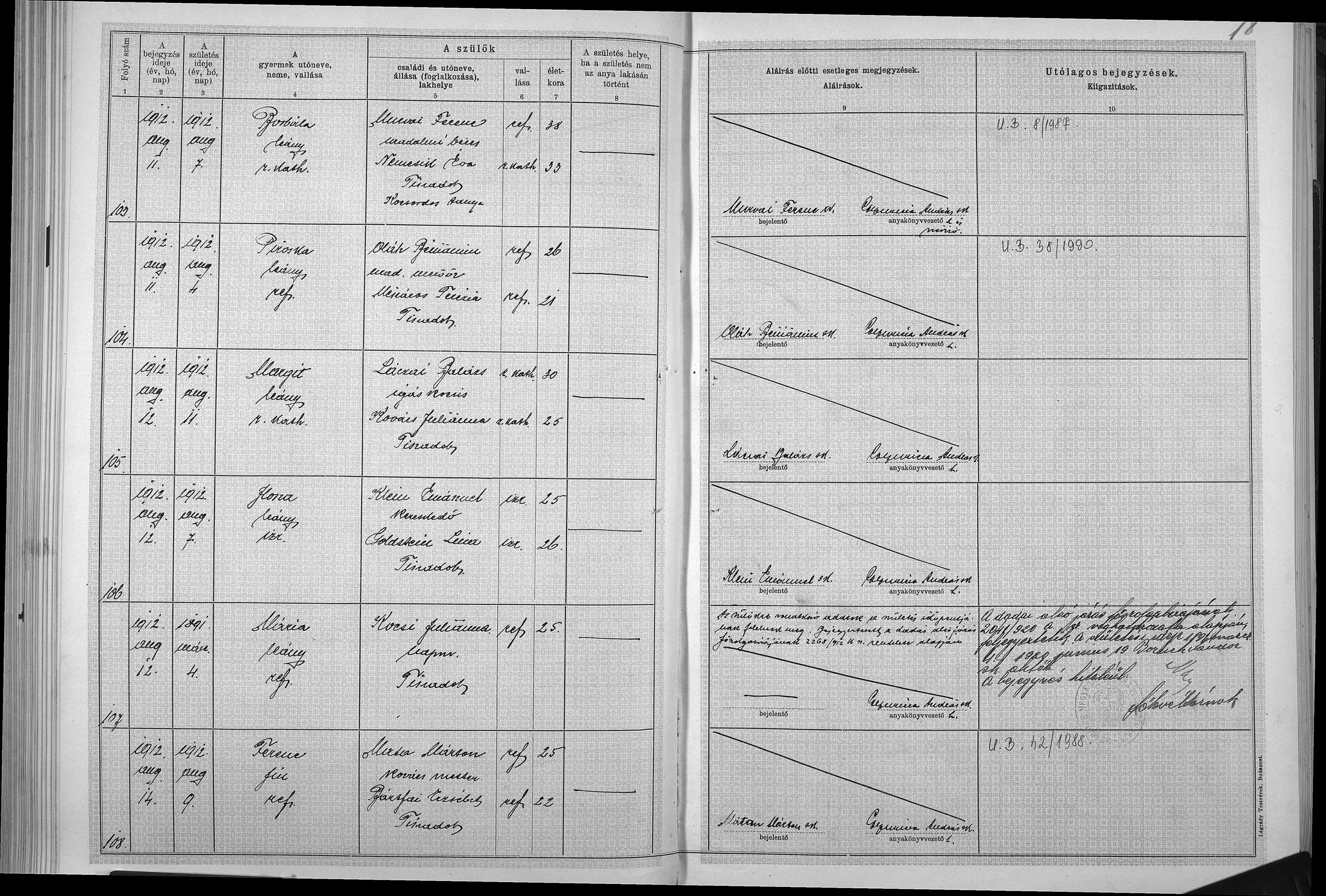
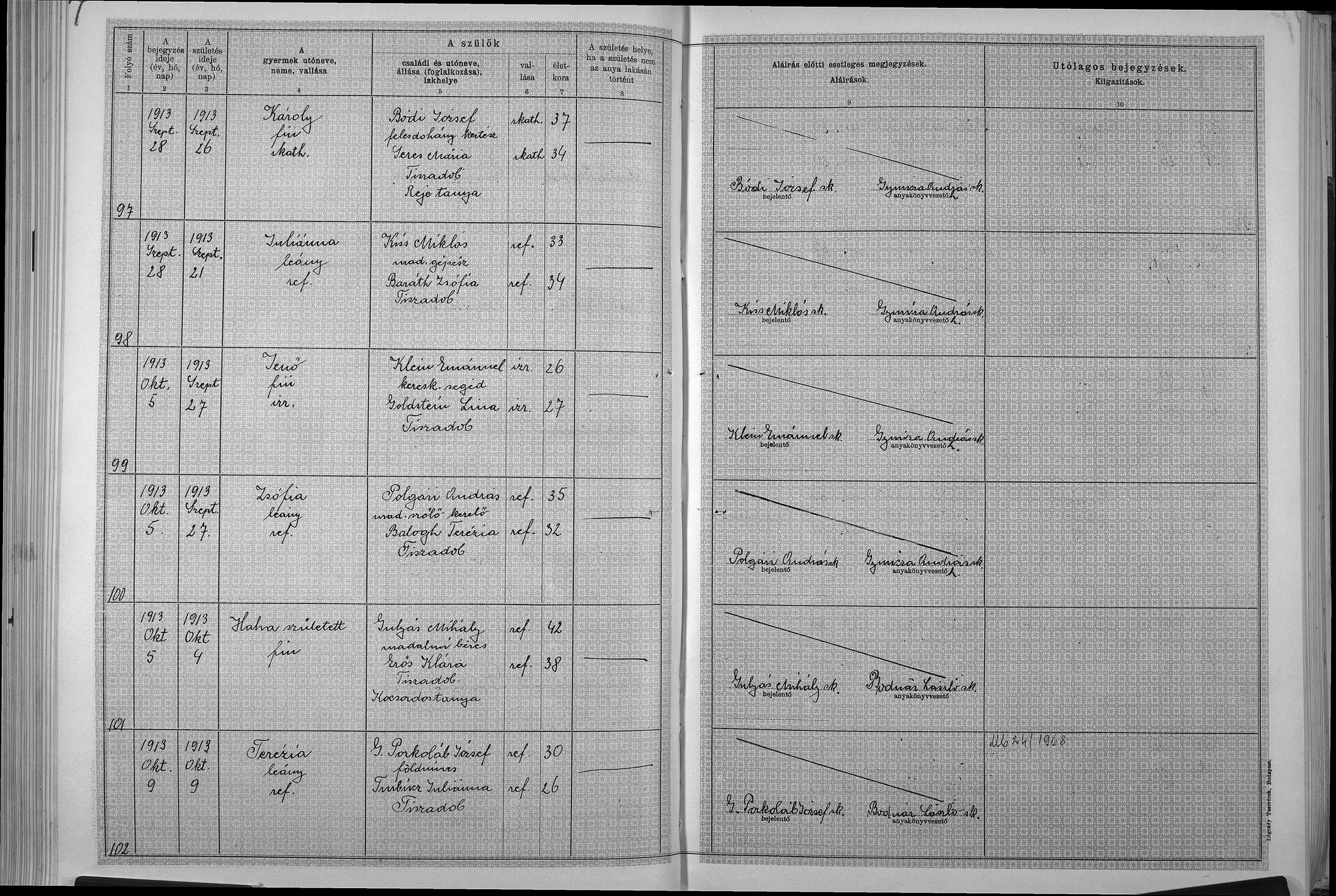
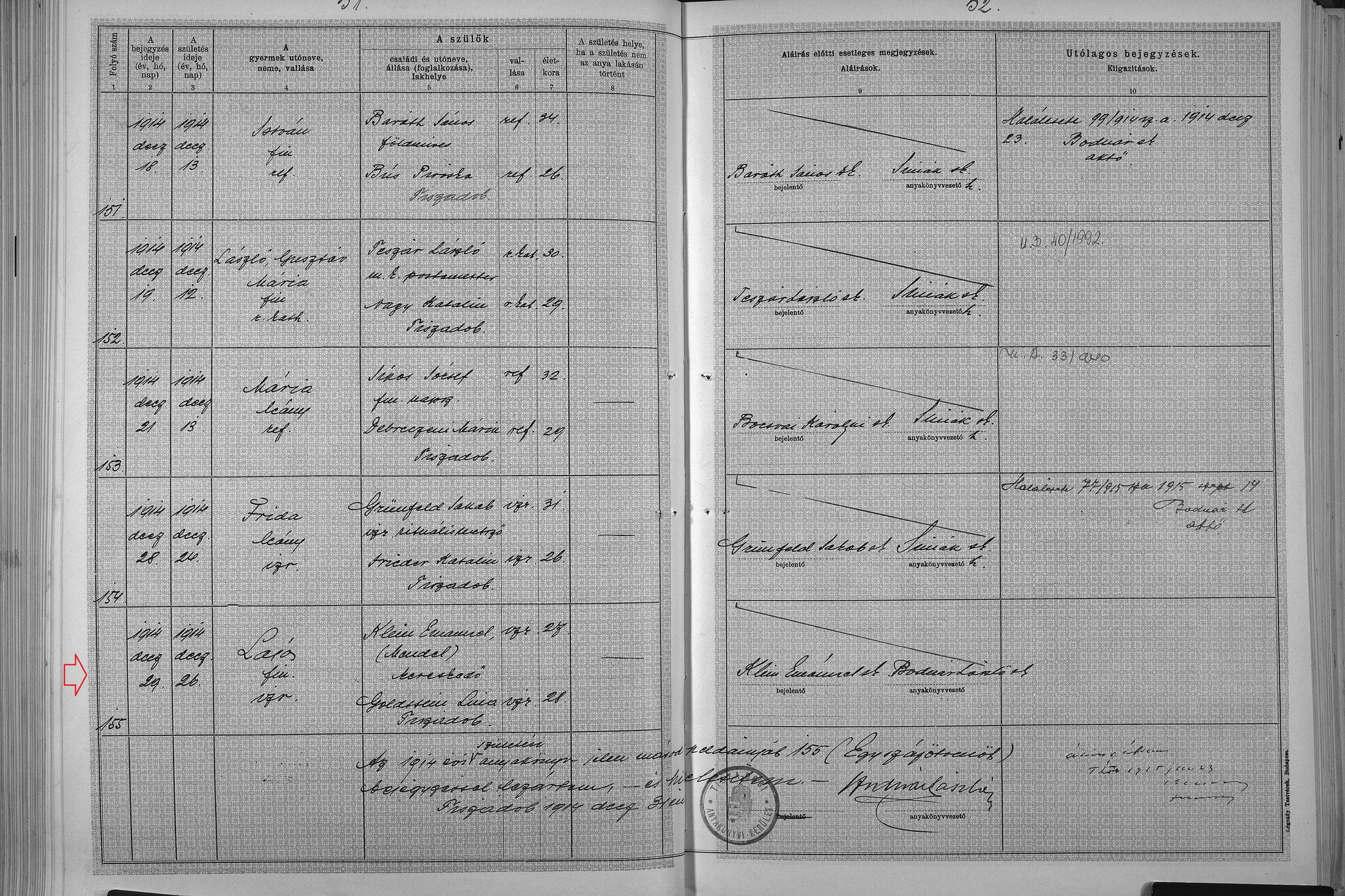
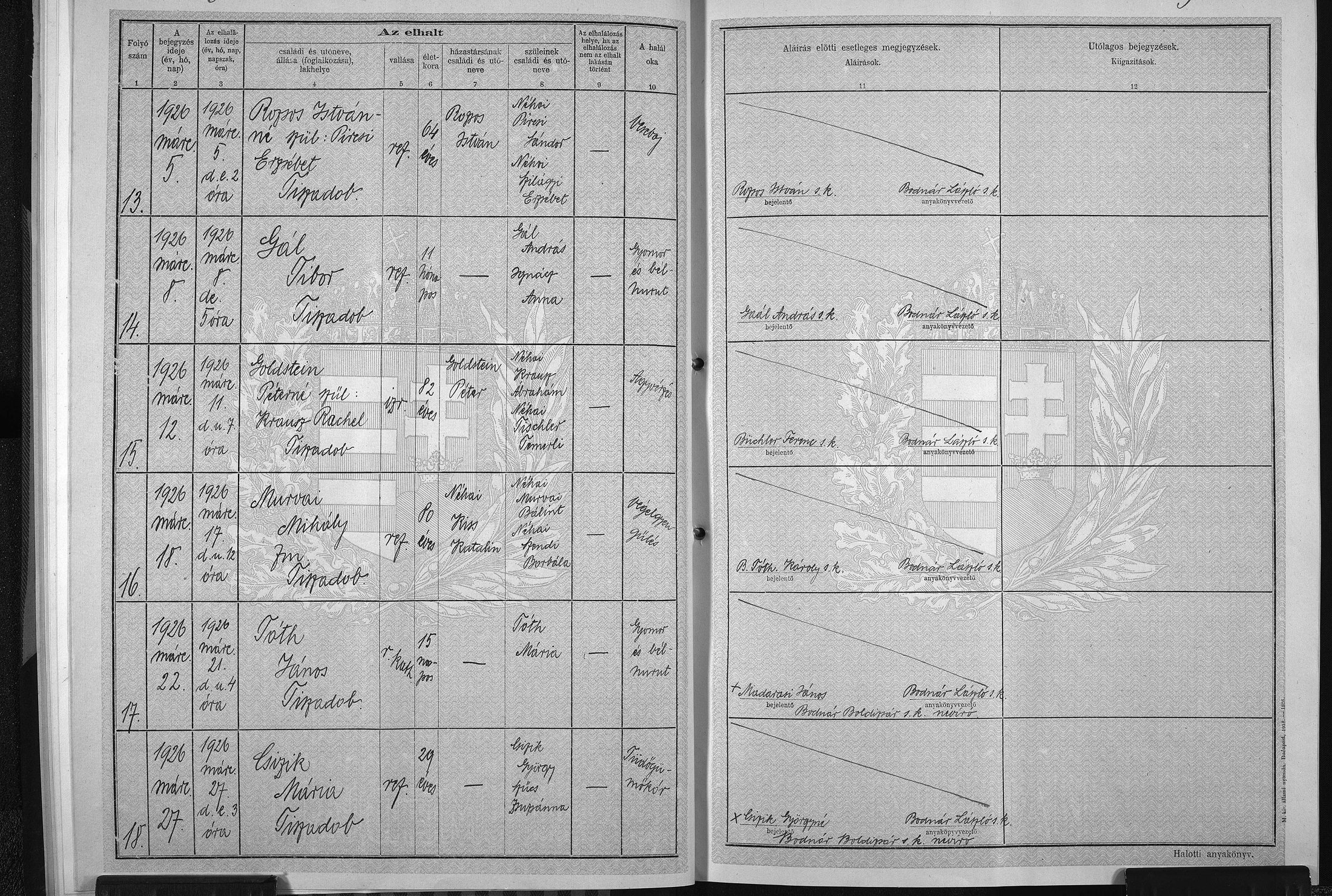
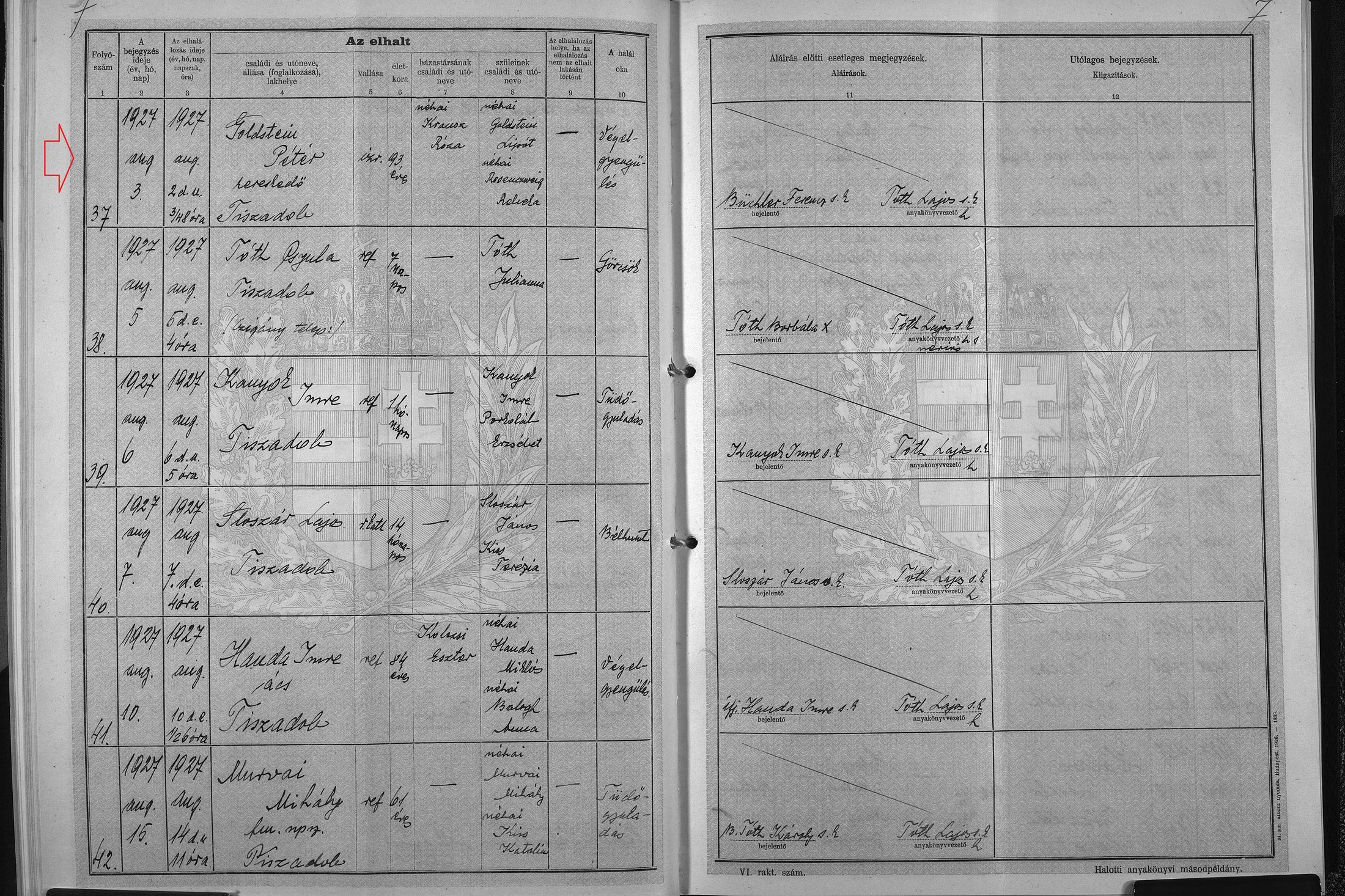
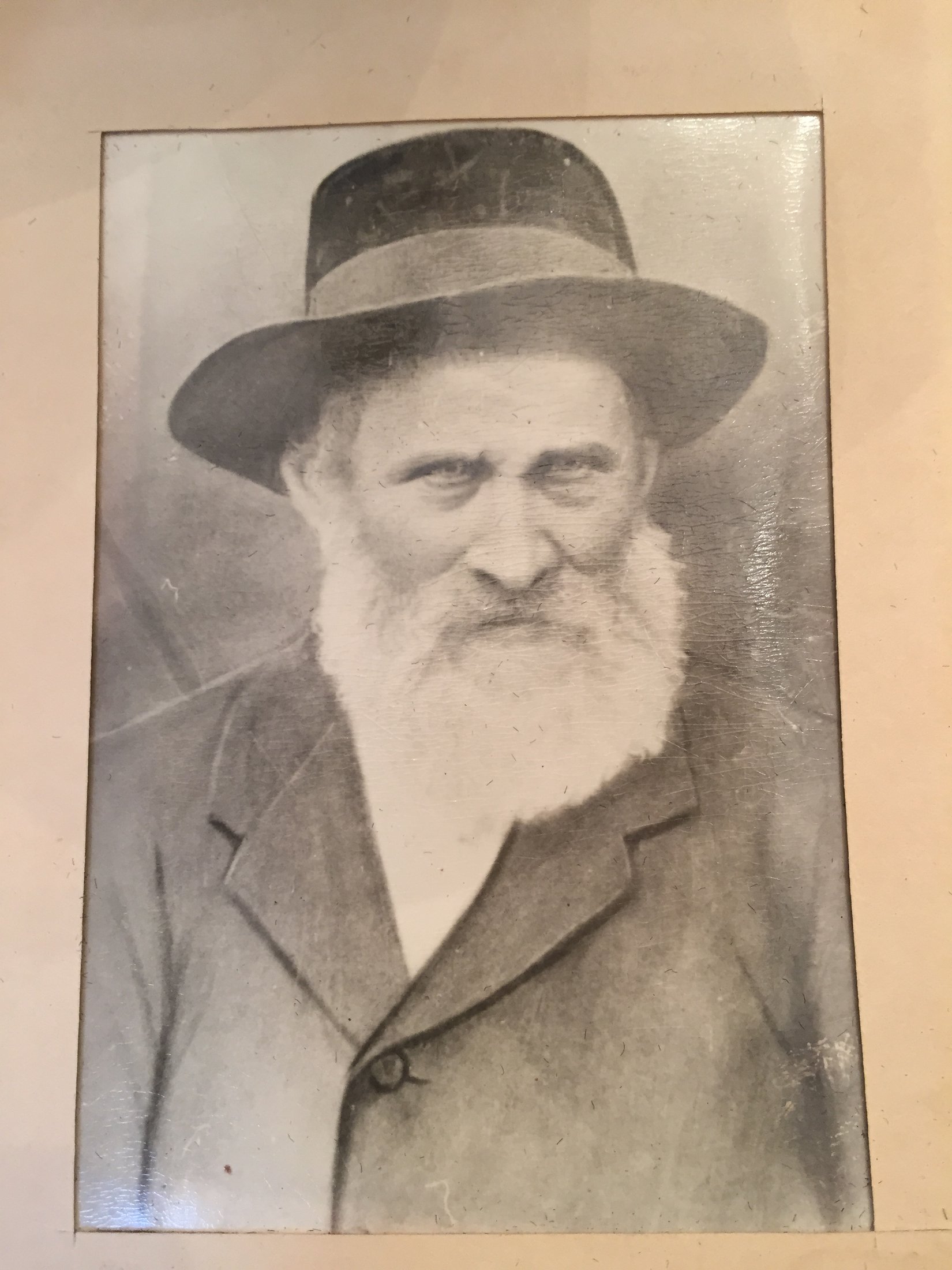
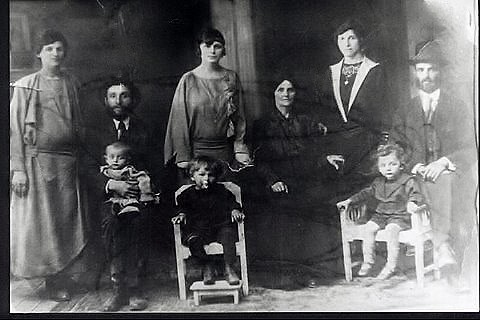
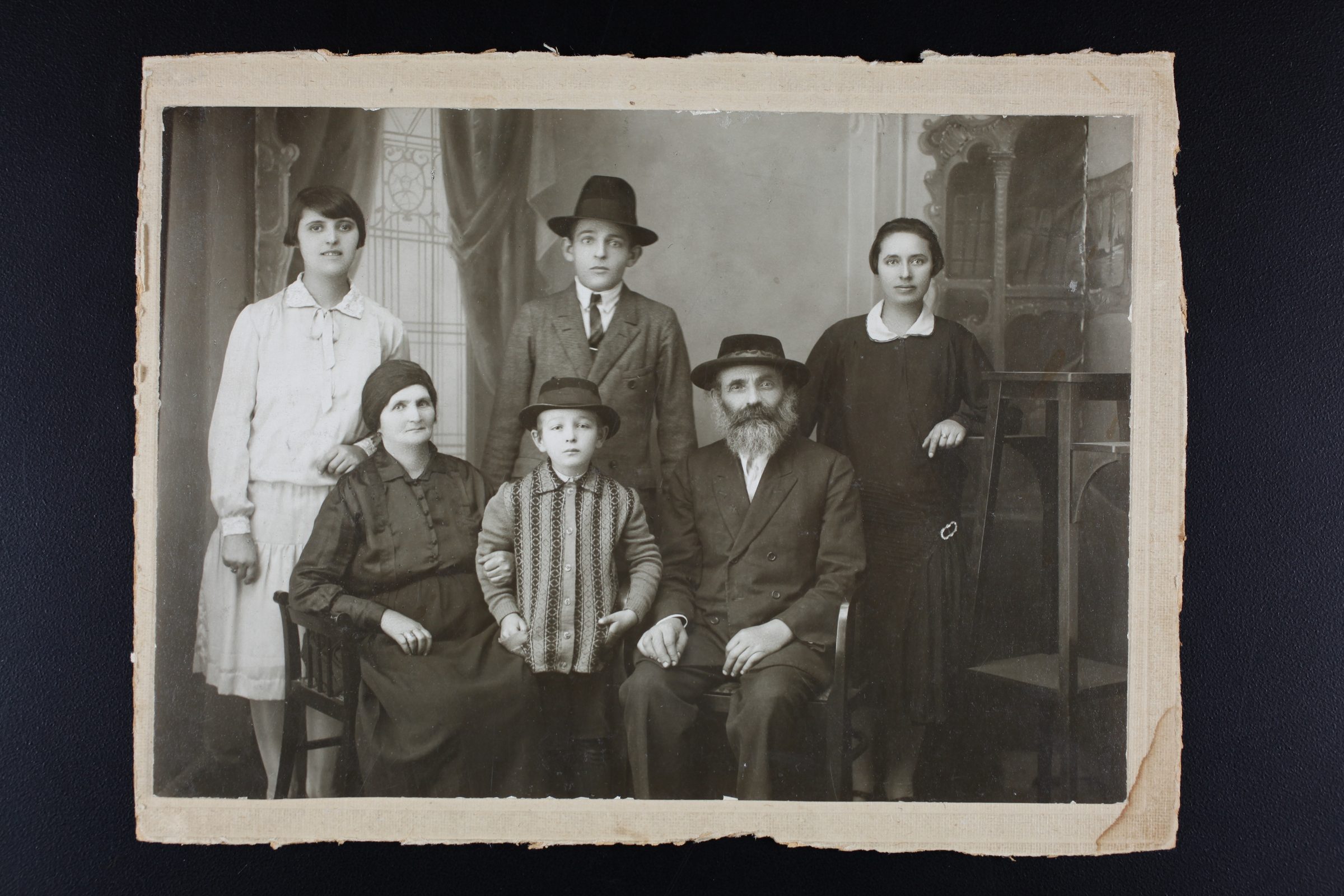
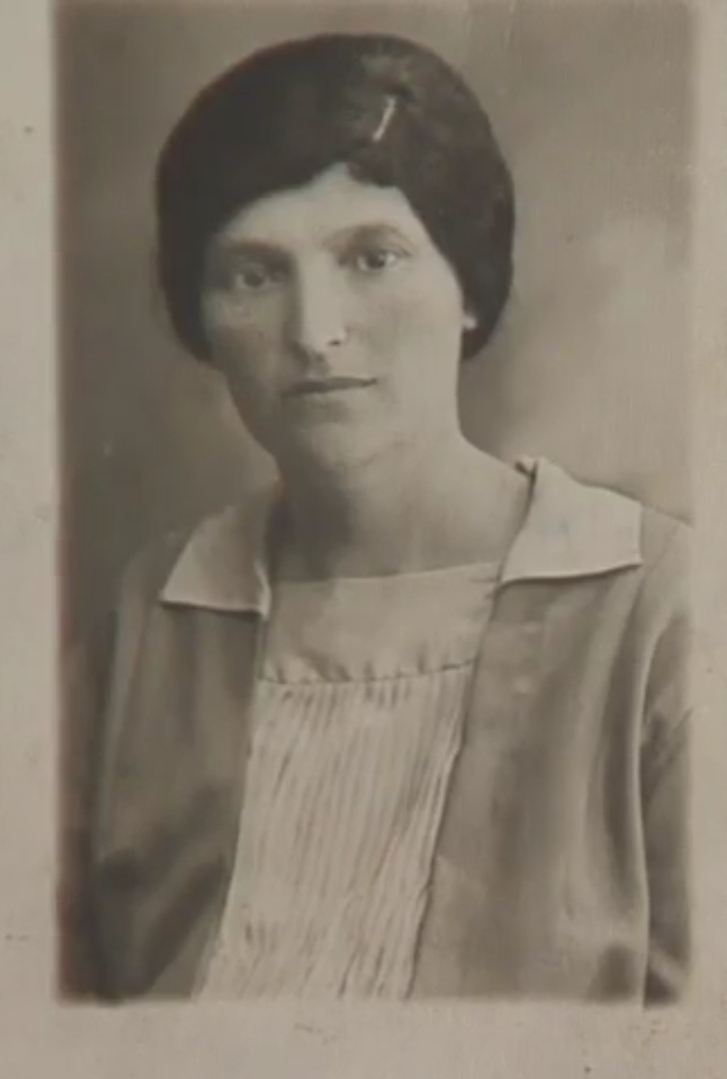
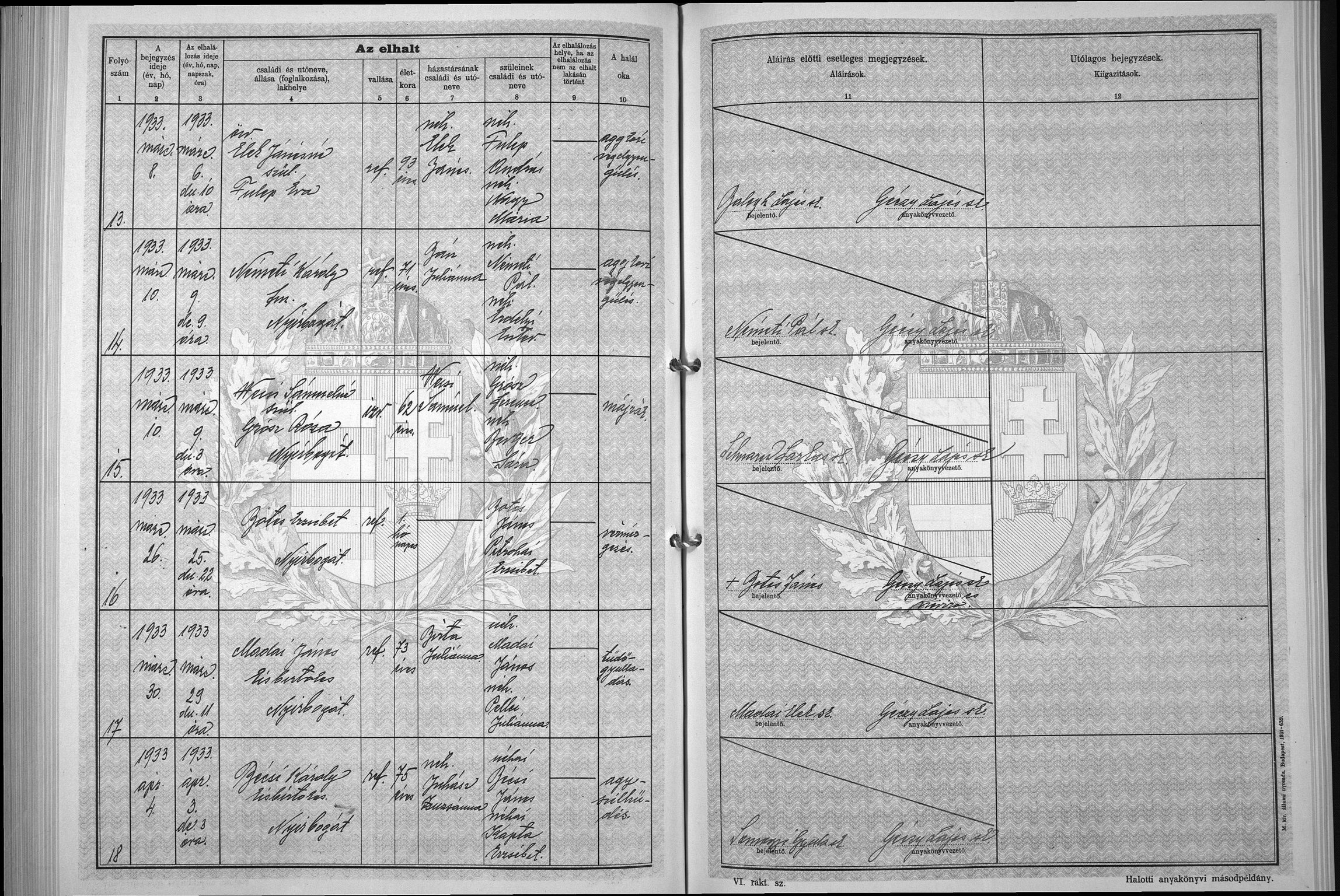
By the 1880s, cameras had reached even small Hungarian towns. The first records of family members we still know by name — Pinchas Goldstein, Samuel Weisz, Roza Grósz, Regina, Lipot — survive from this period. Some are photographs. Most are ledger entries: marriage registers, birth records, the bureaucratic paper that anchored a person to a place.
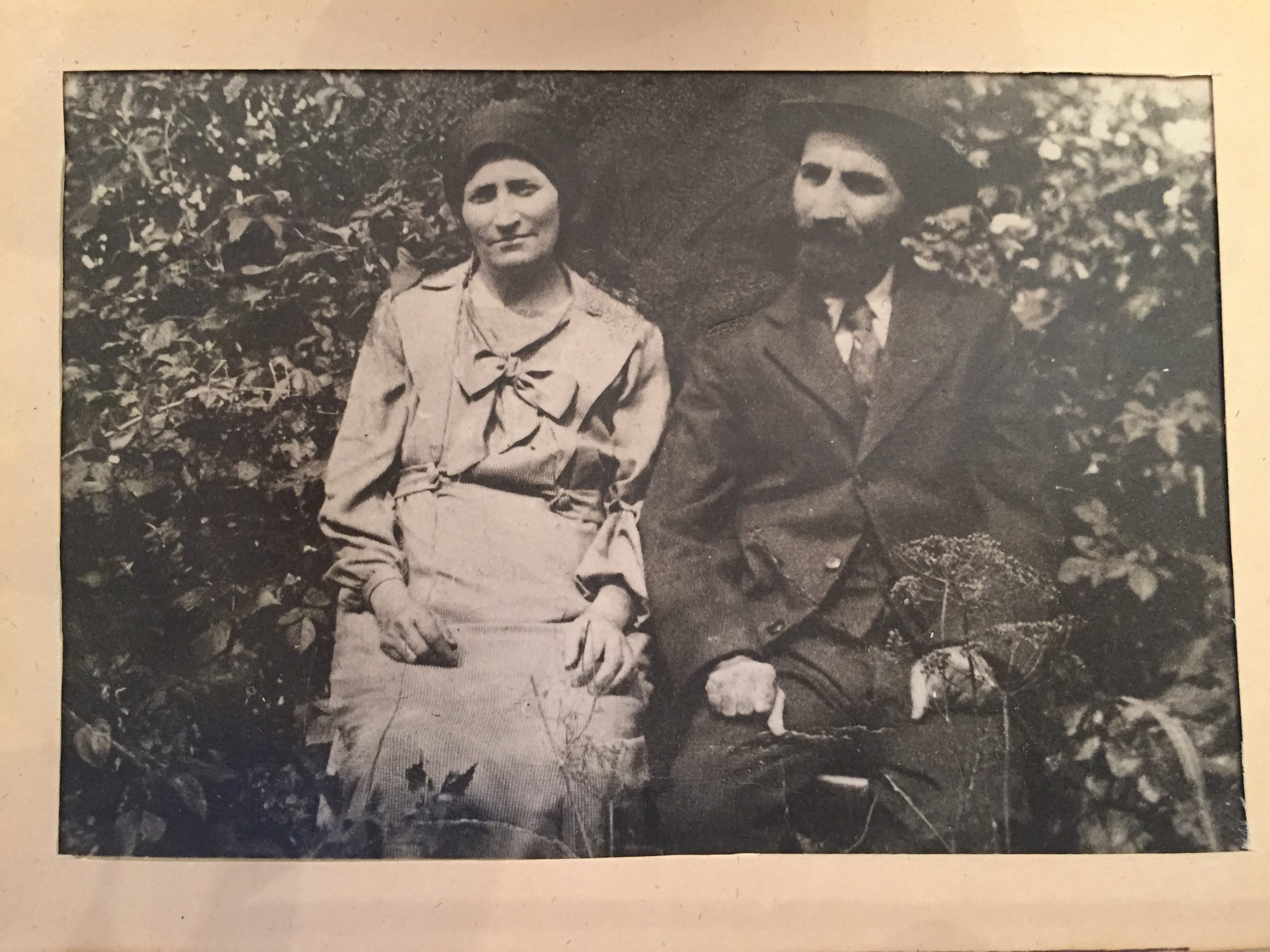
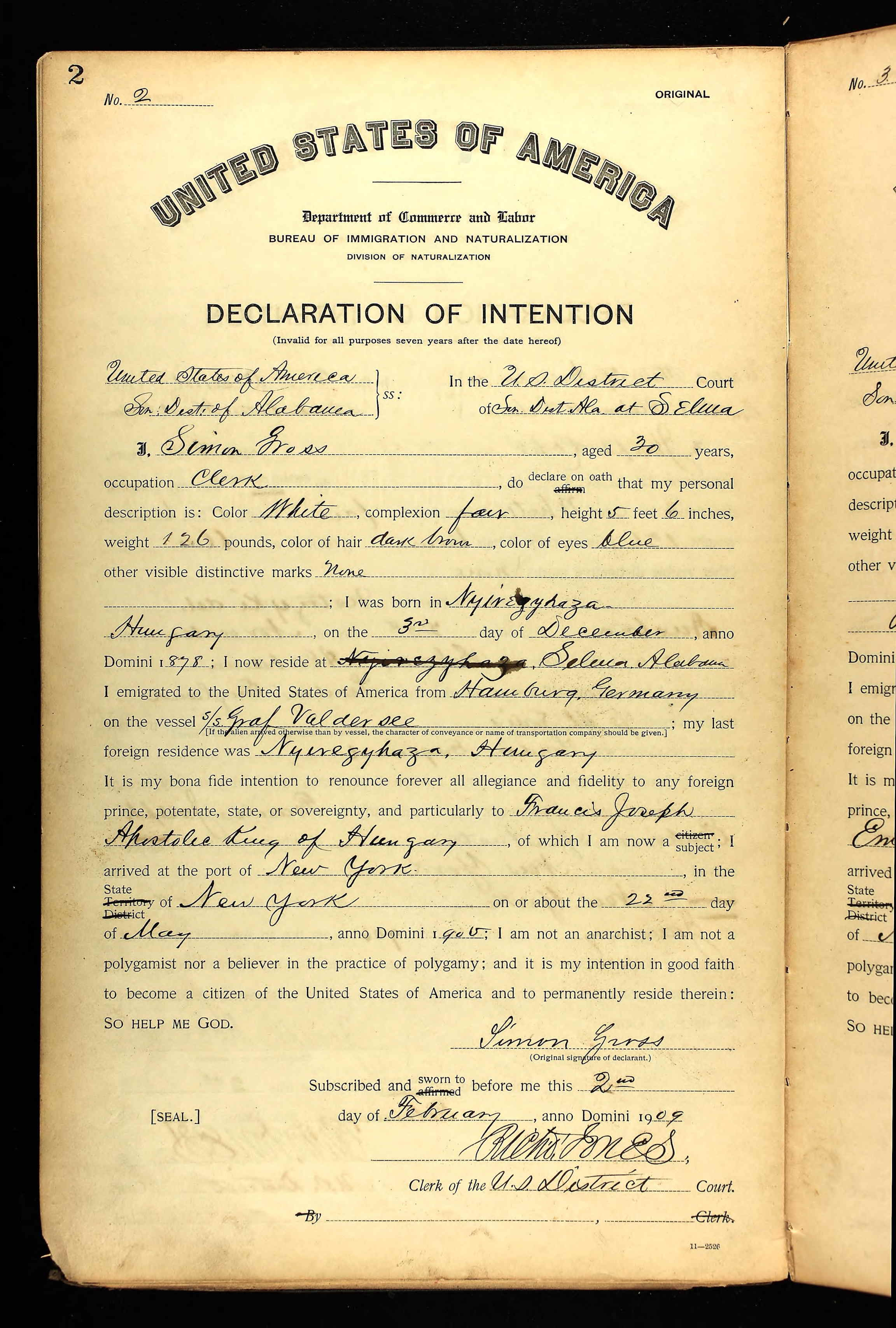
Family life before the rupture — Apagy and Tiszadob in the early decades of the twentieth century, the start of the American chain (Simon Grósz arrives in Selma, Alabama in 1909; Sam Feldman follows). For a brief generation the family was photographed as families everywhere are: at home, at weddings, at the family store.
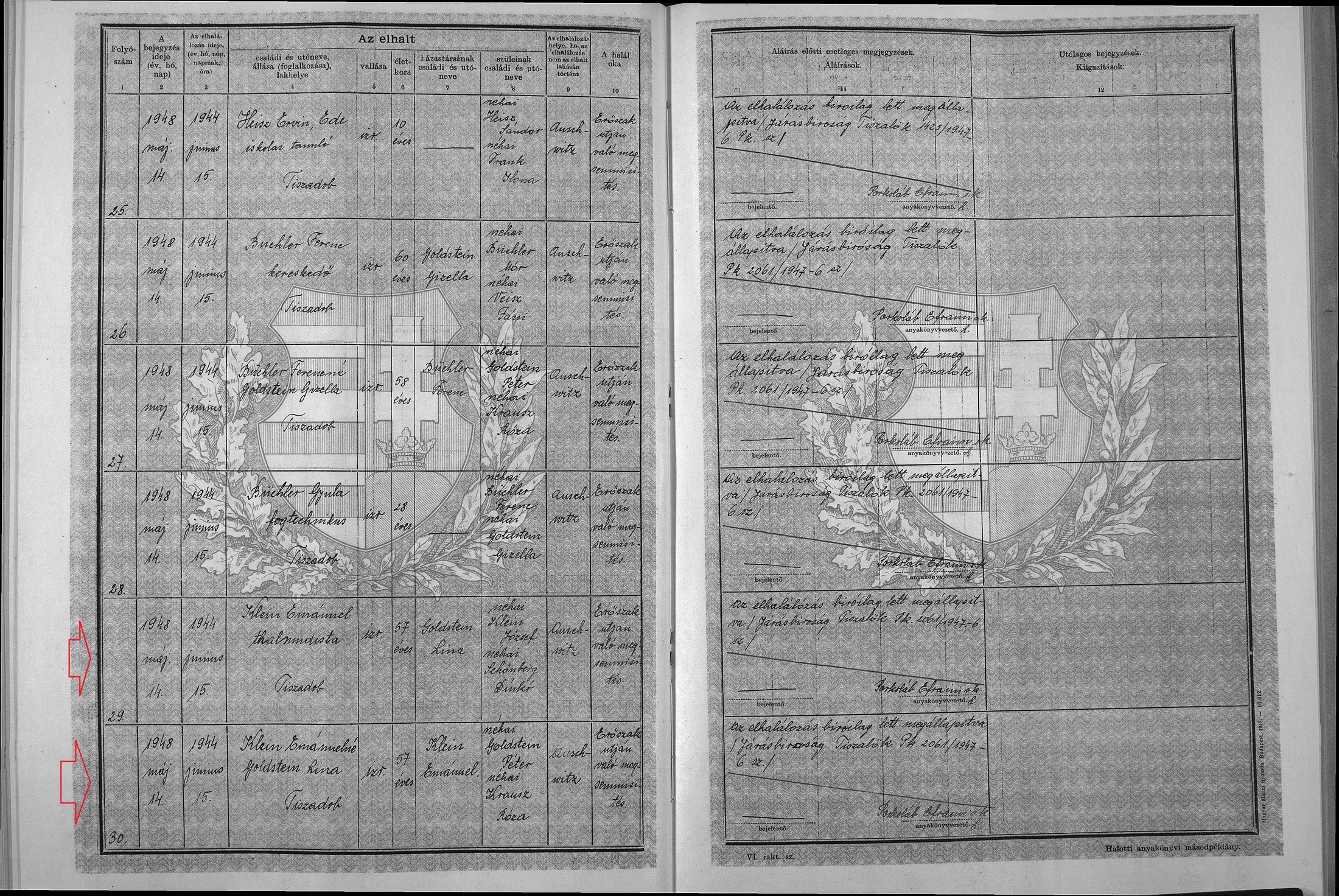
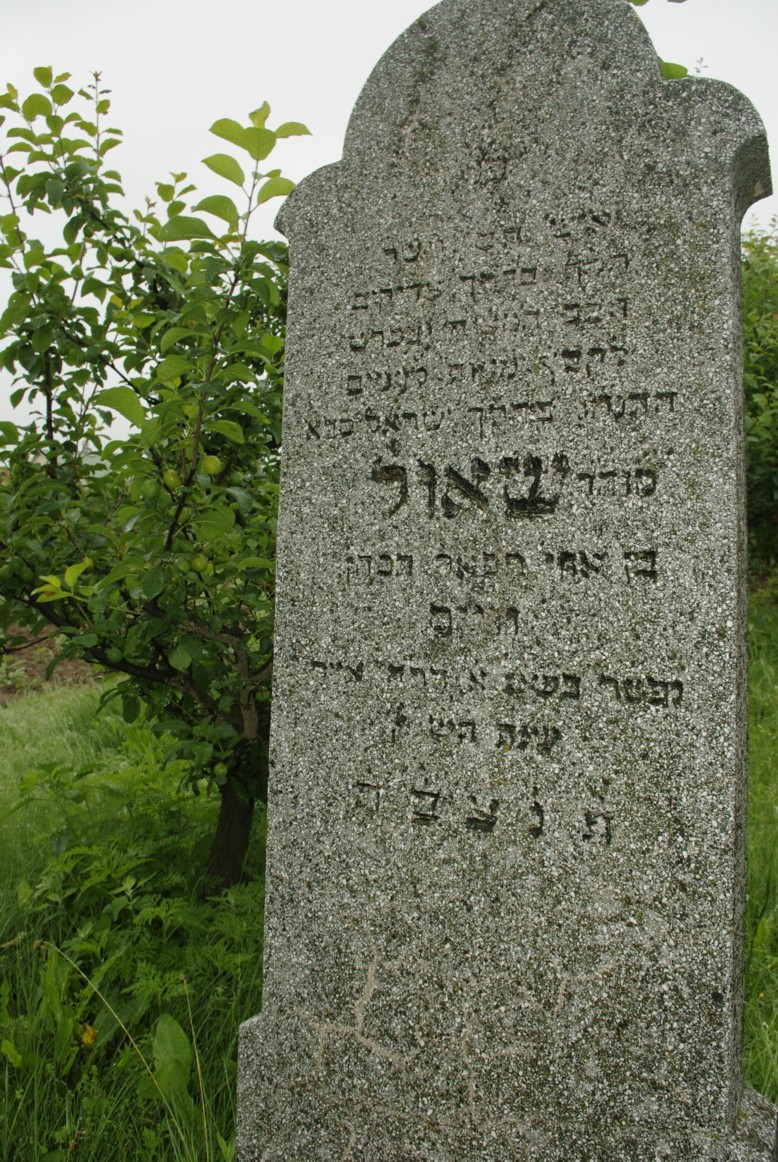
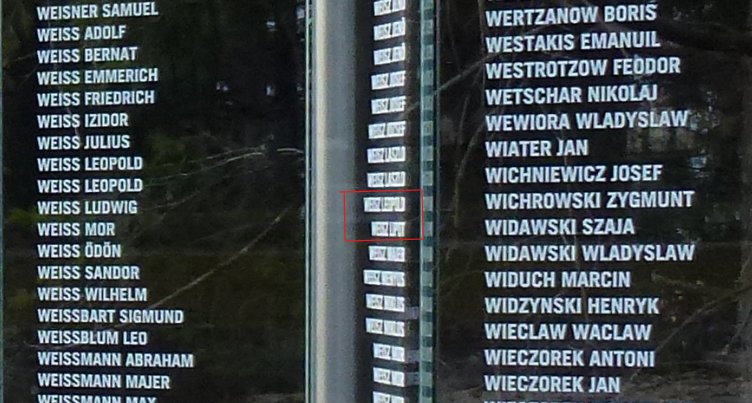
Most of what happened in this year was never photographed. There are no family pictures from Auschwitz, from Ebensee, from the Don River. What survives are the artifacts the events left behind — a memorial panel at a former subcamp, a granite plaque set into the base of a matzeiva in Deans, NJ. These are the stones the survivors made for the dead.
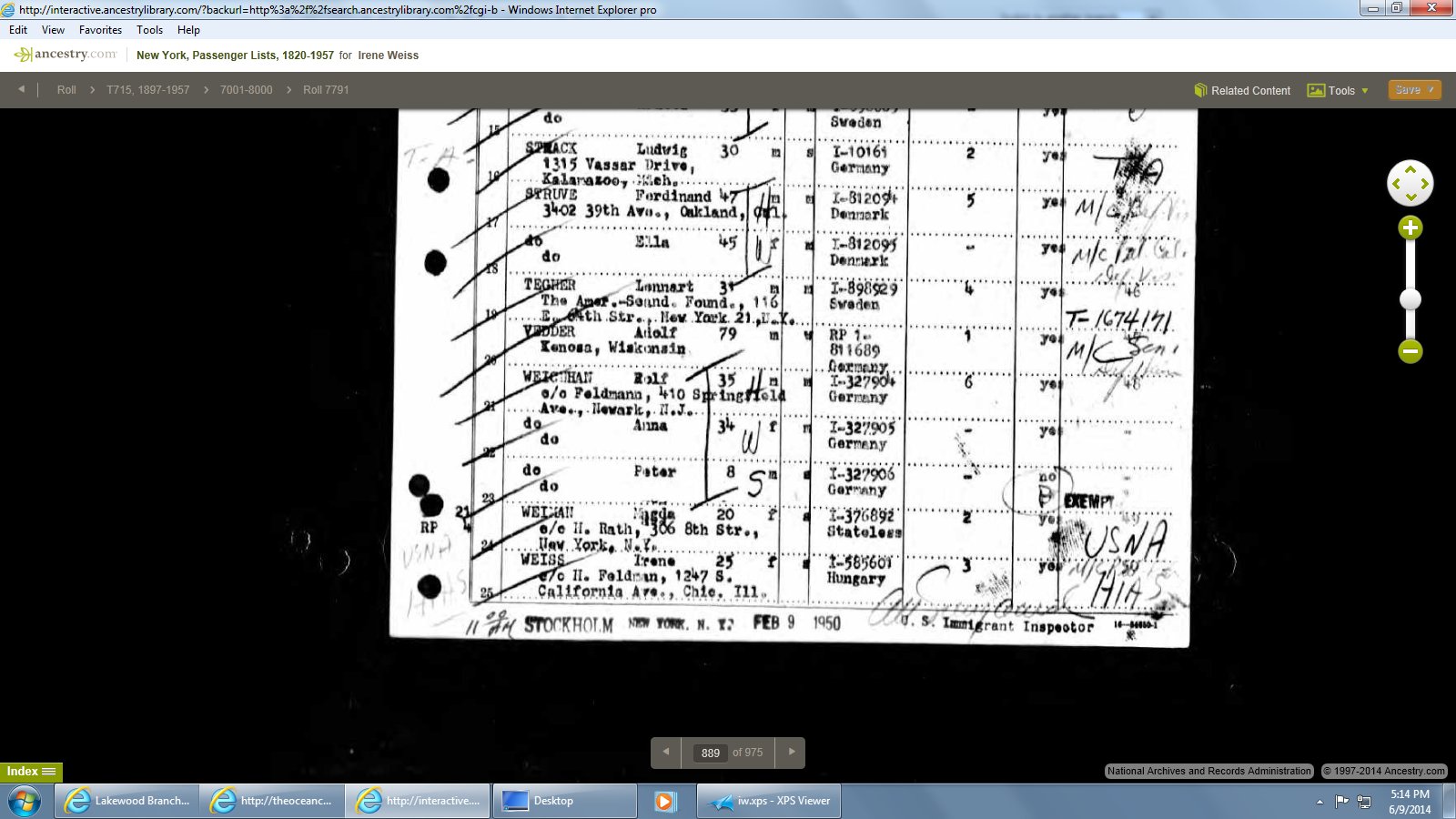
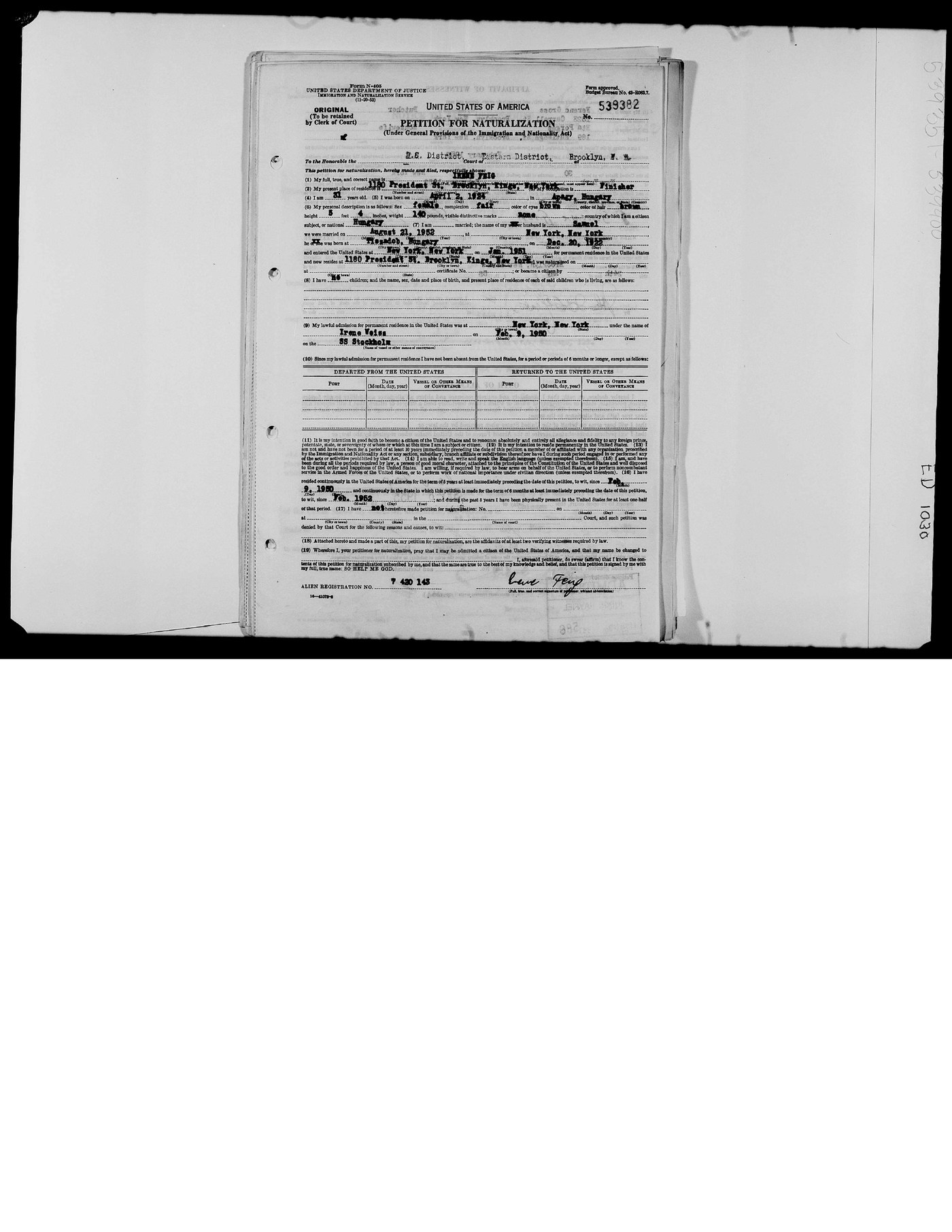
Bobby crossed an ocean to get here. Imre would follow eight years later through Vienna; Jenő after that. The documents from this stretch — the SS Stockholm passenger manifest, naturalization petitions filed in lower Manhattan courthouses — record people stepping off boats and beginning American lives in their late twenties and early thirties, without parents.
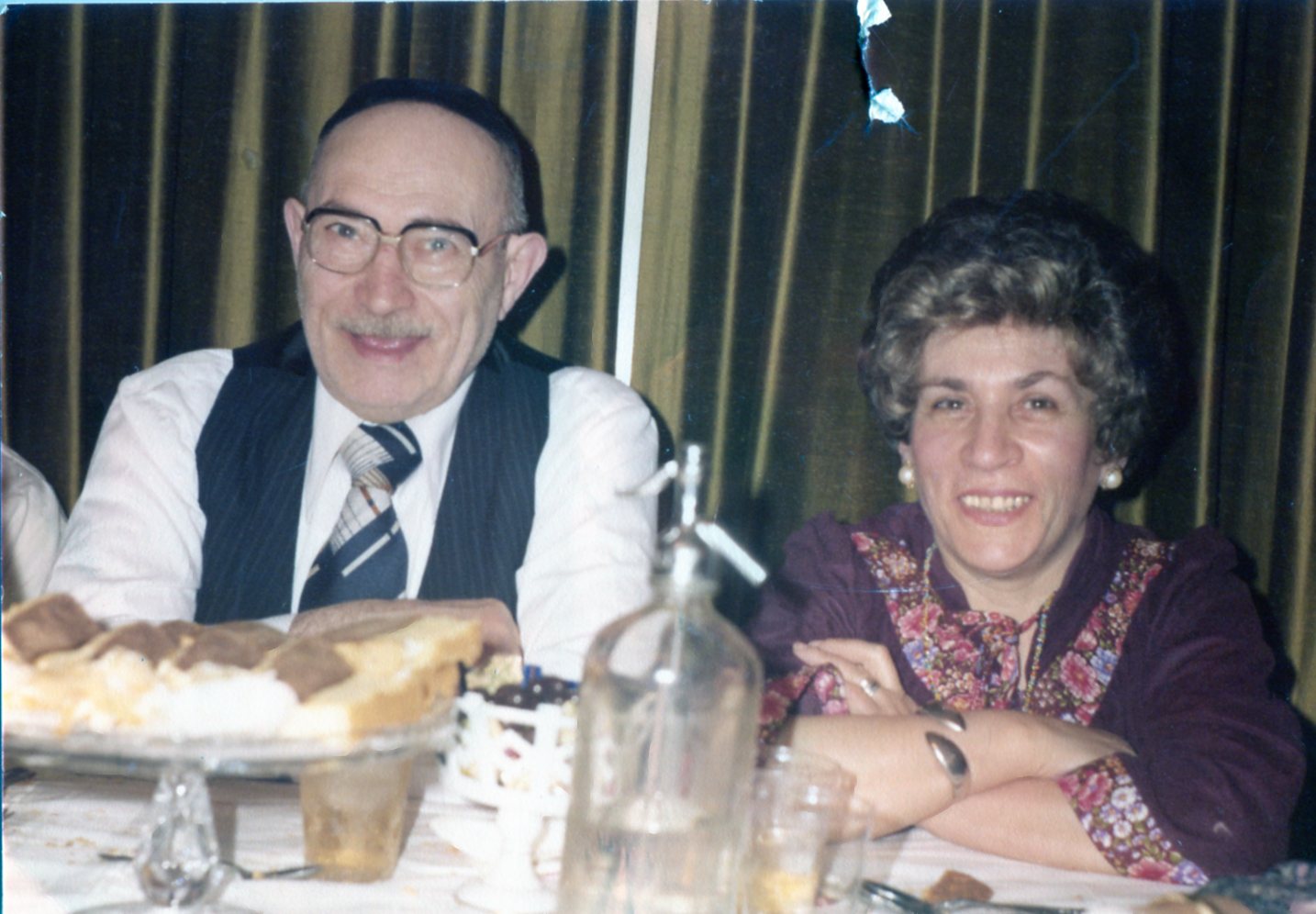
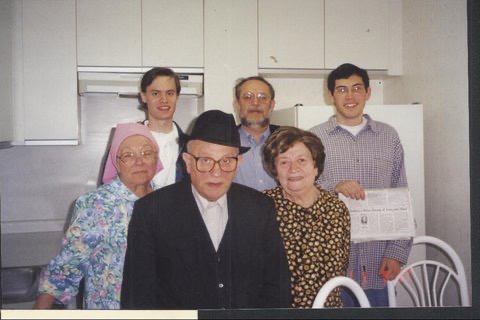
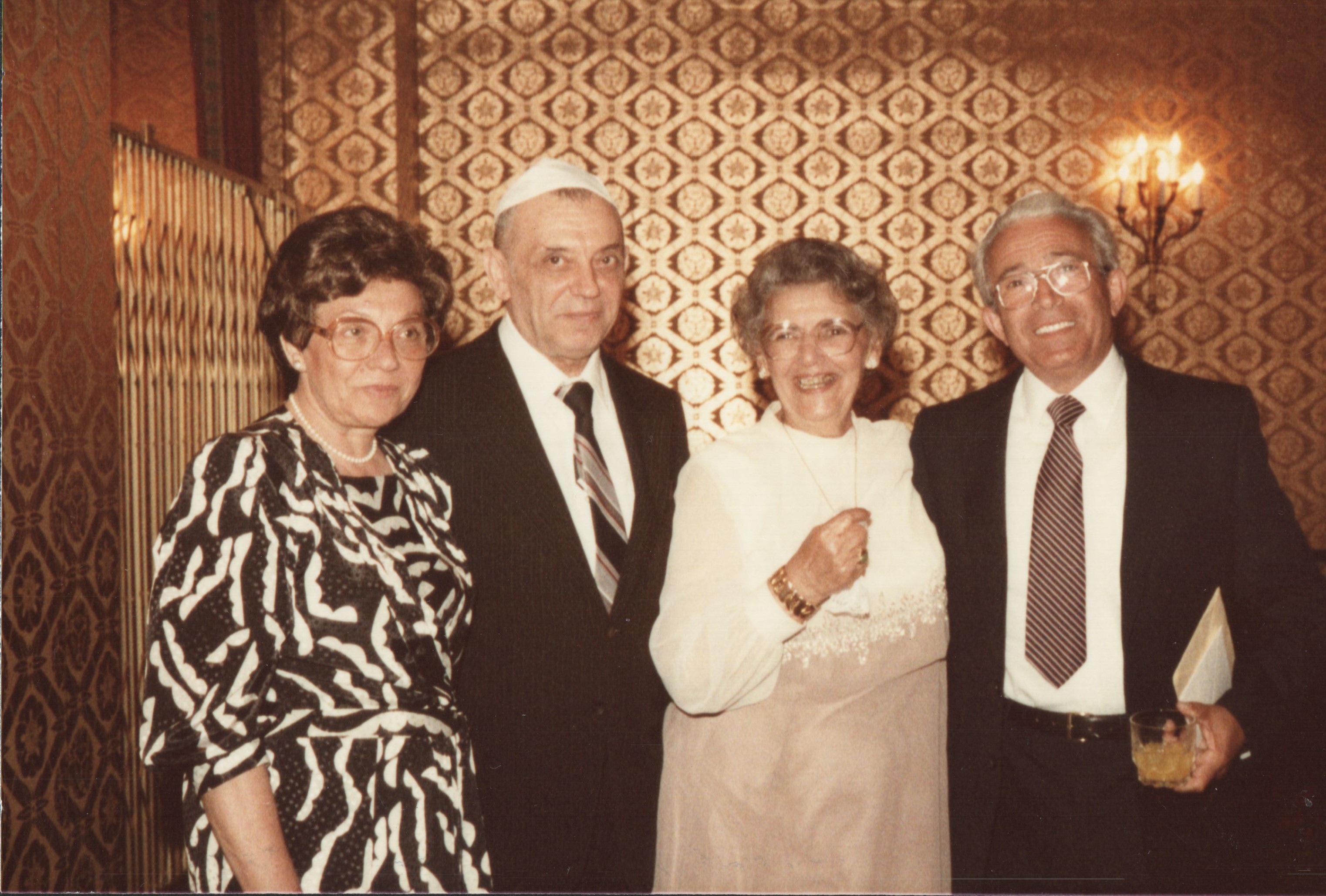
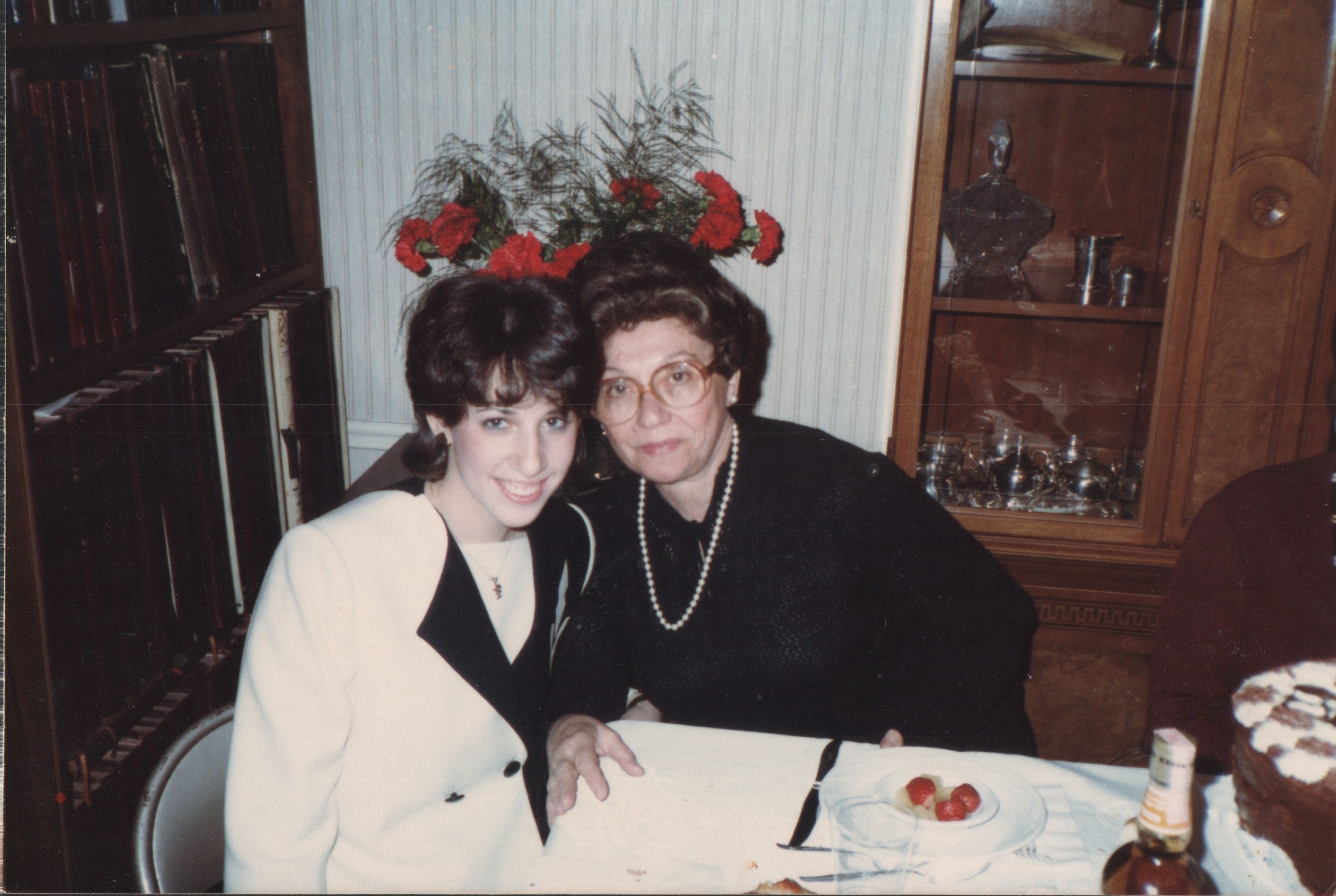
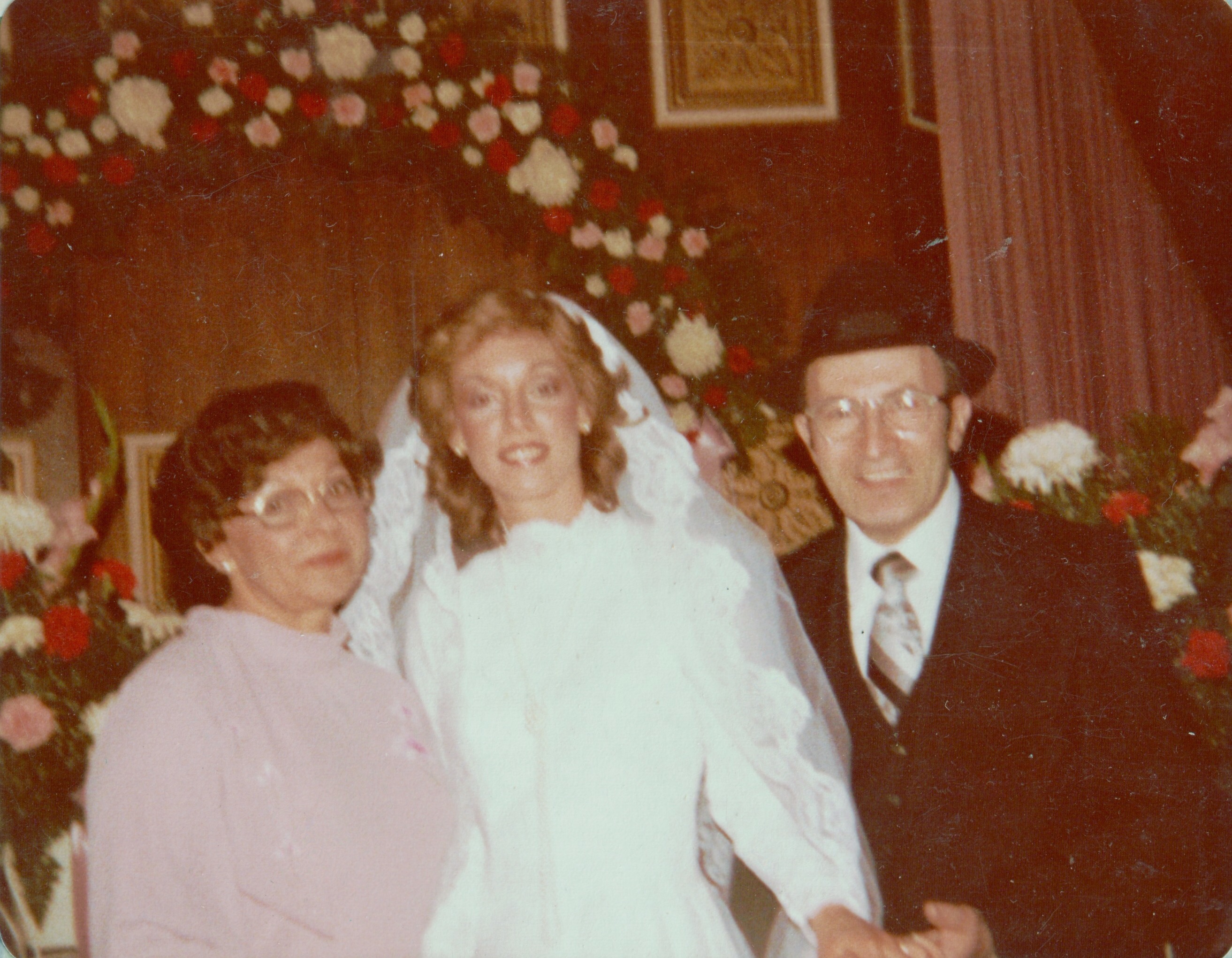
The family rebuilt. Bobby and Laci married in 1952, raised six children on President Street, sent them to the schools and the shuls of Hasidic Brooklyn. Aunt Esther's branch settled in Chicago. These photographs span roughly forty years — wedding portraits, candid kitchen shots, the 1984 Chicago portrait that holds three Apagy-born Weiszes in the same frame.


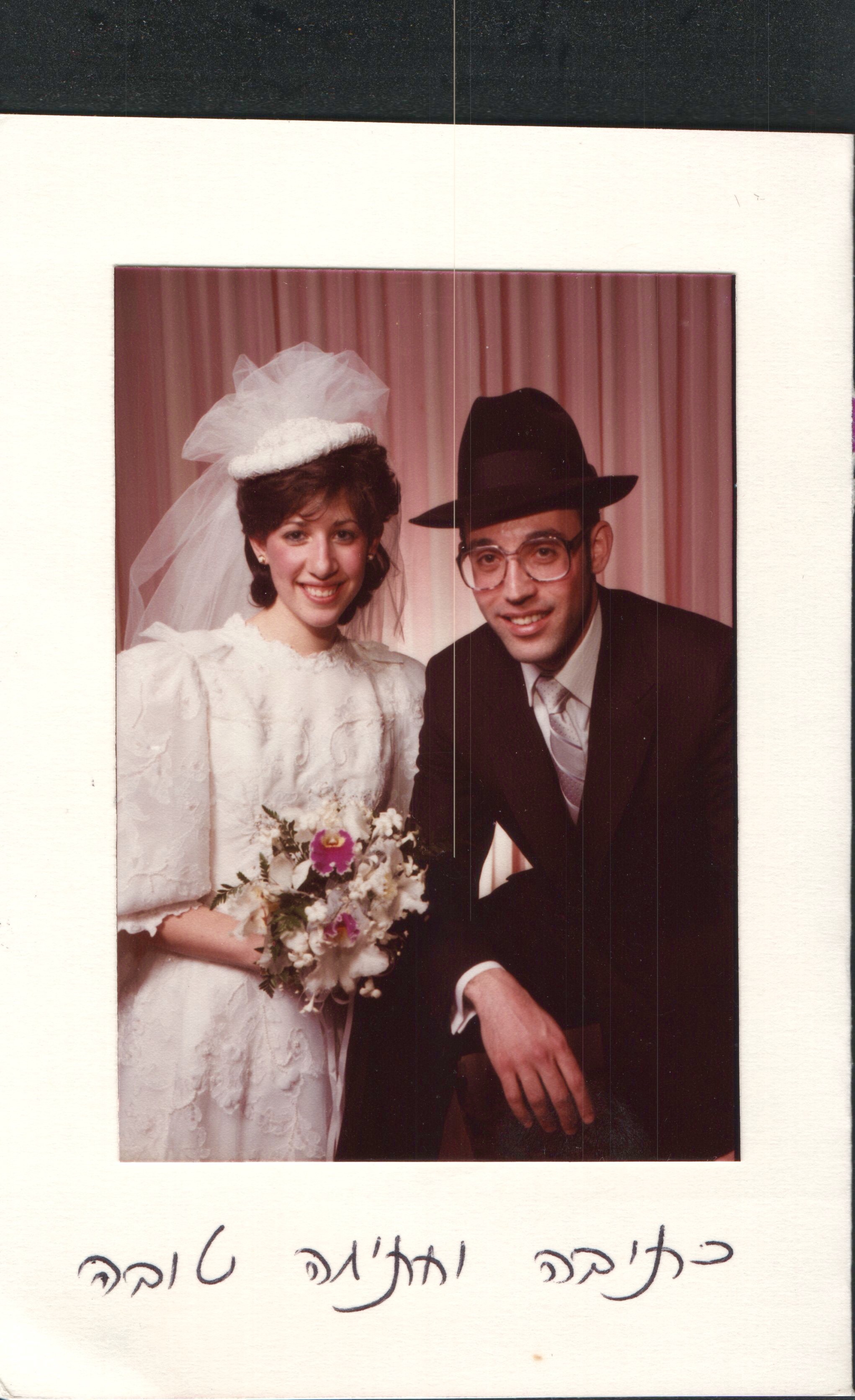
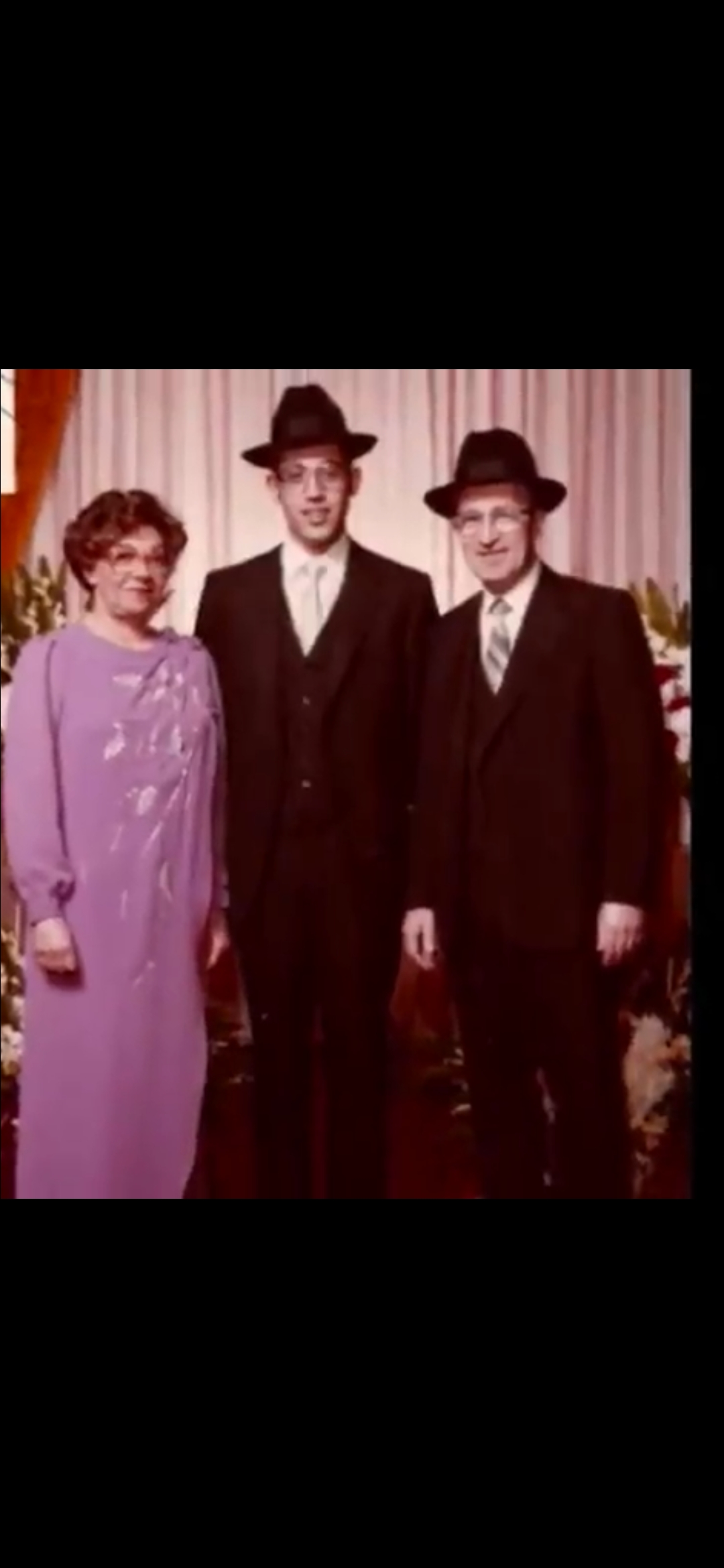
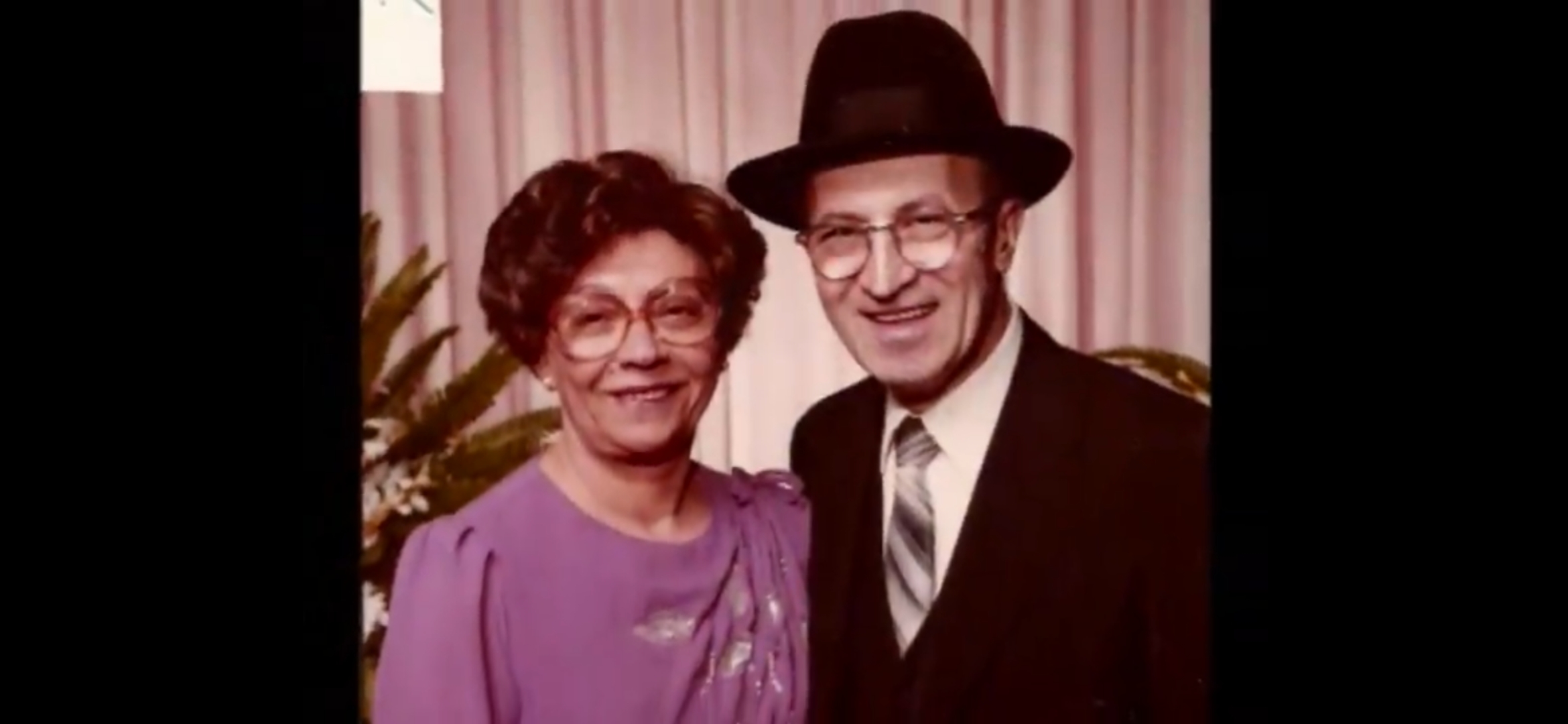
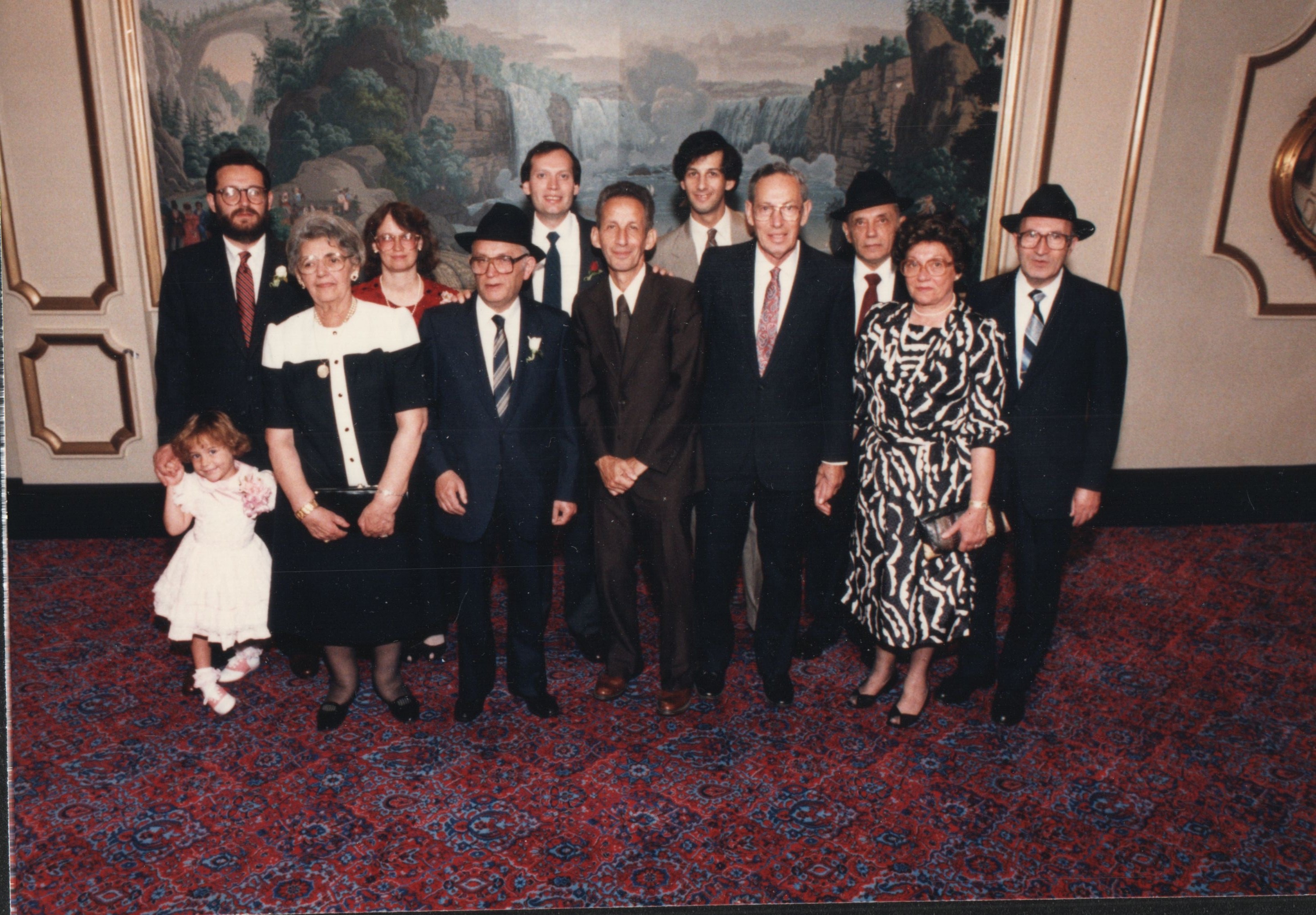
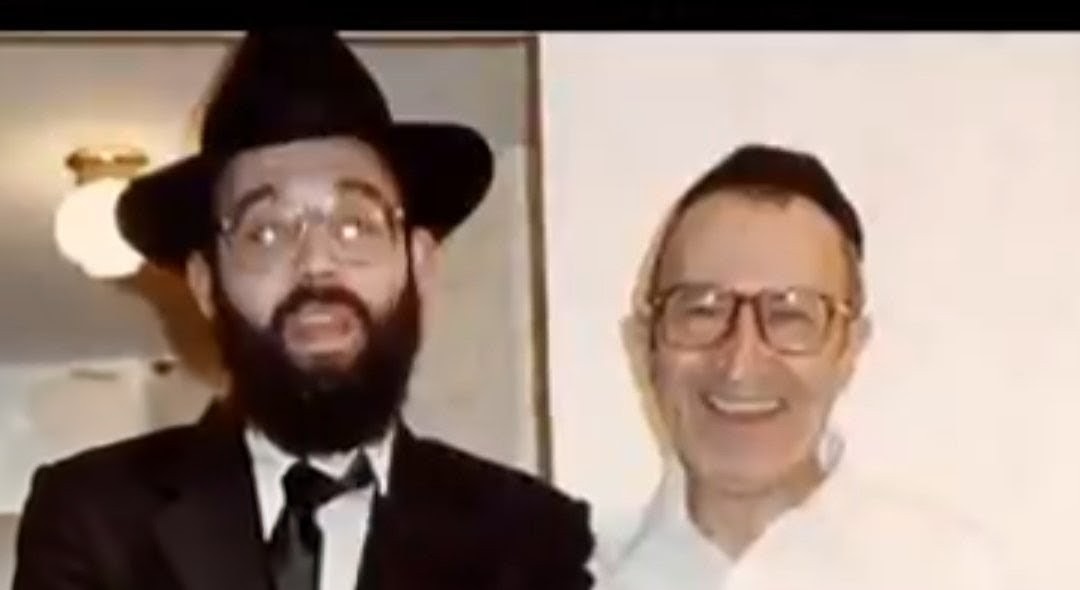
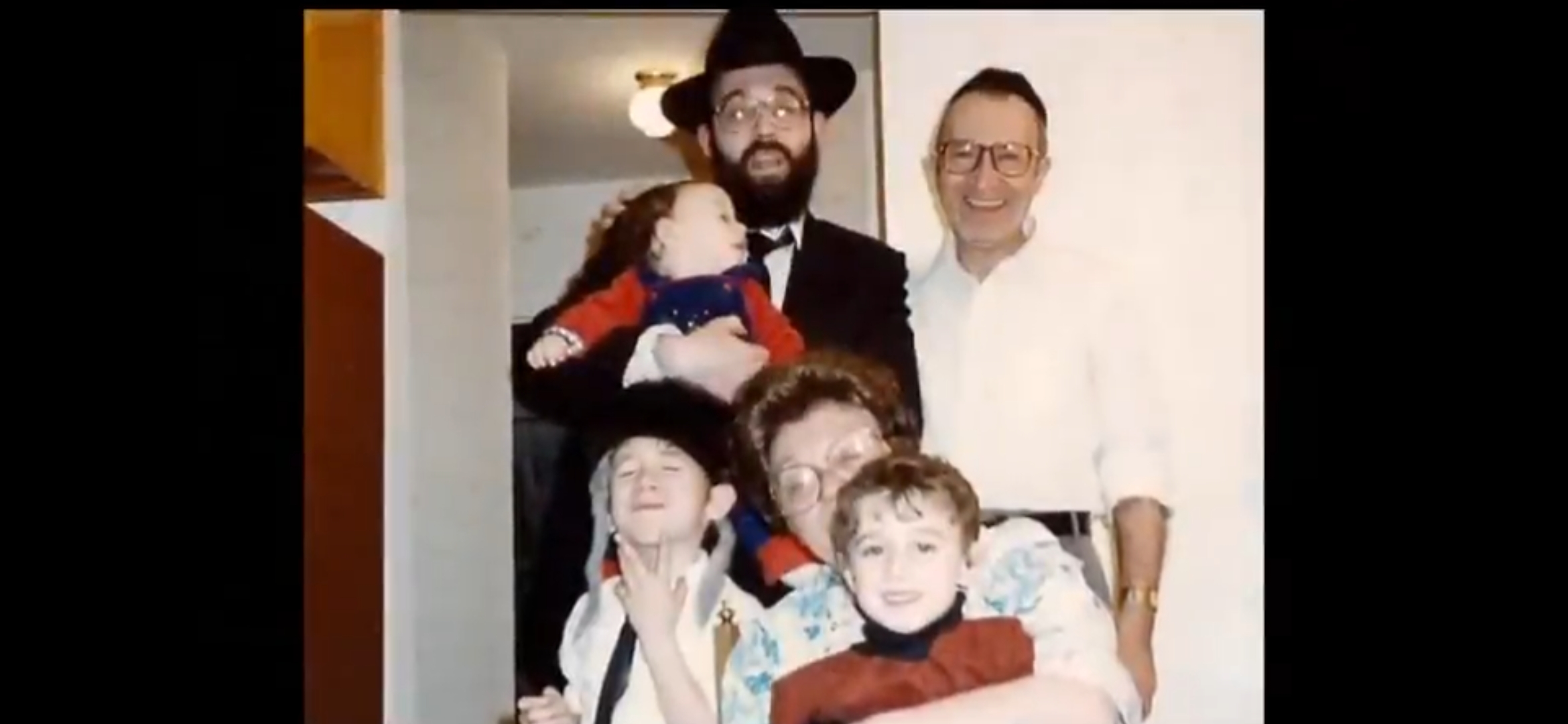
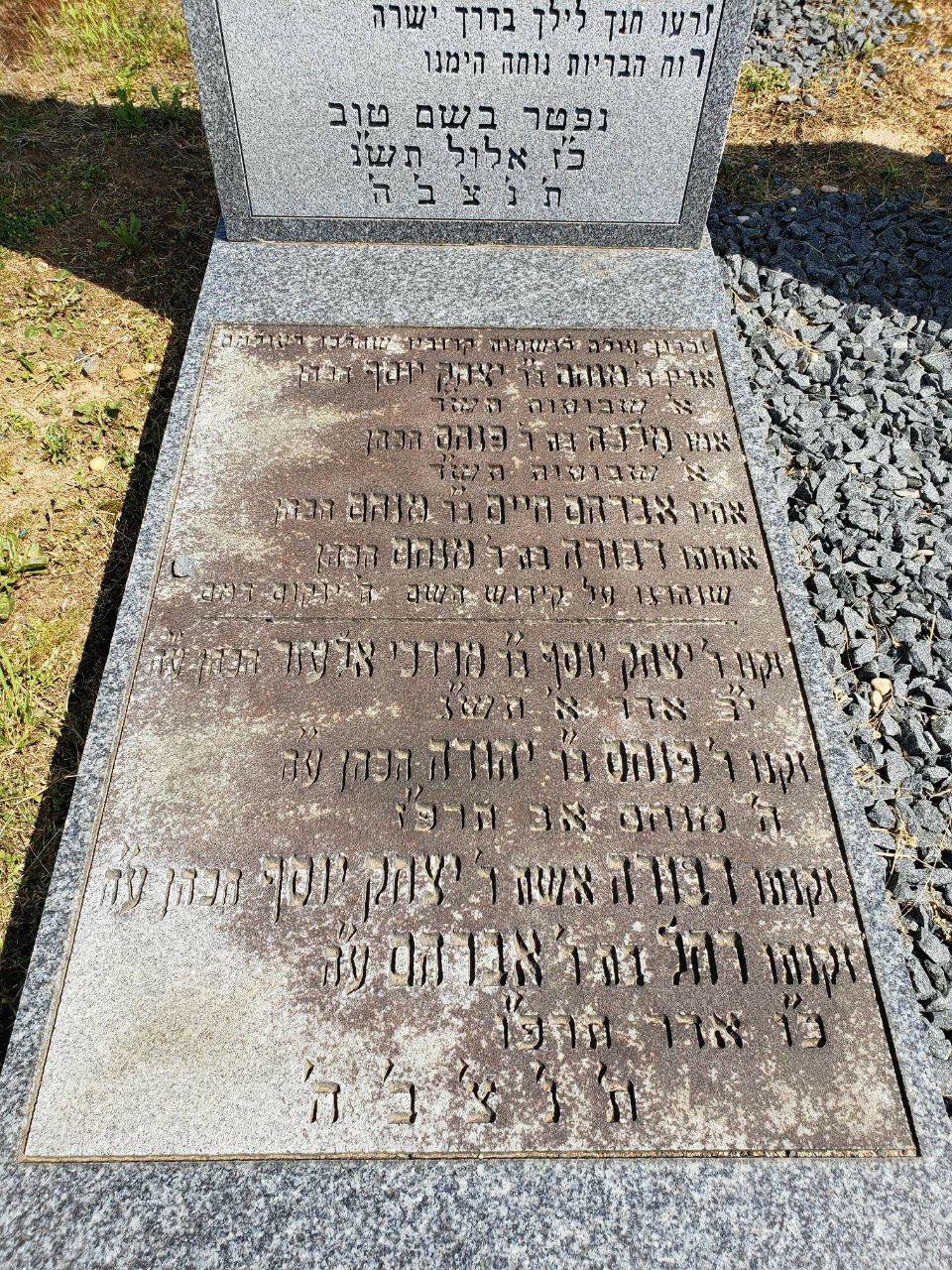
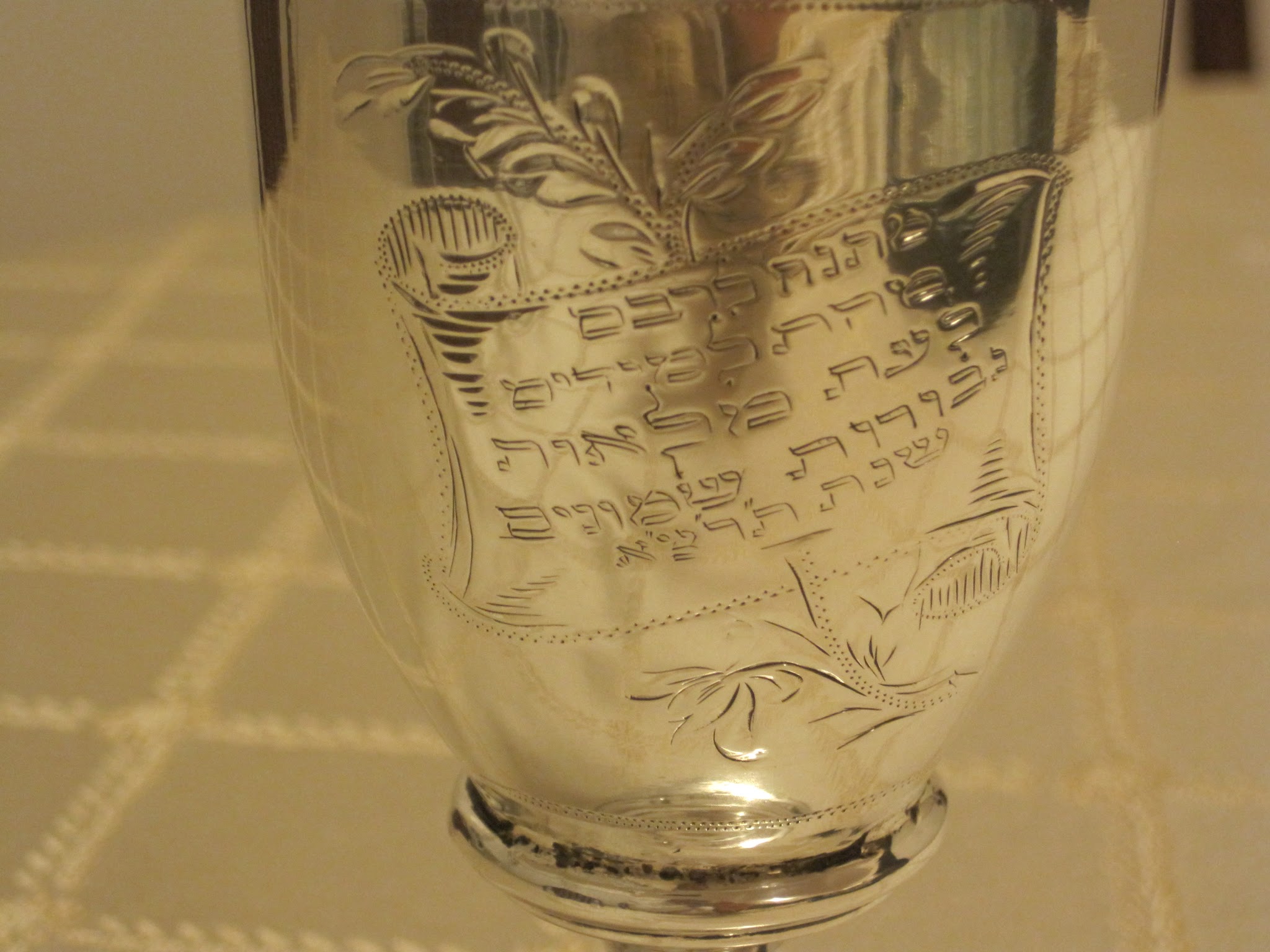

The youngest images on this site. Tatty Menachem and his siblings have grandchildren of their own now. The names that walked off the trains in May 1944 are spoken at every wedding, every bris, every Shabbos table. This is the family Bobby and Zeidy made possible.
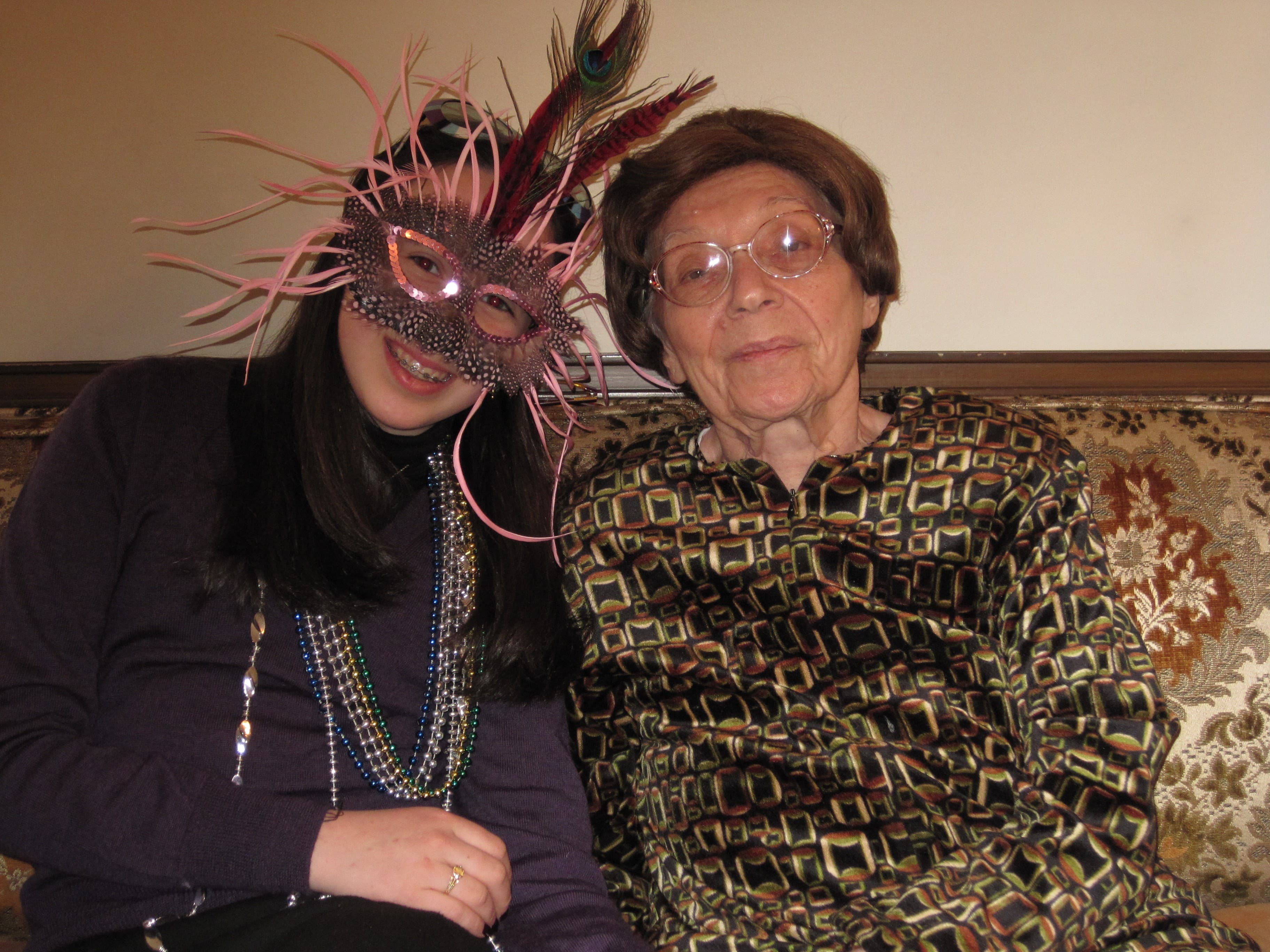
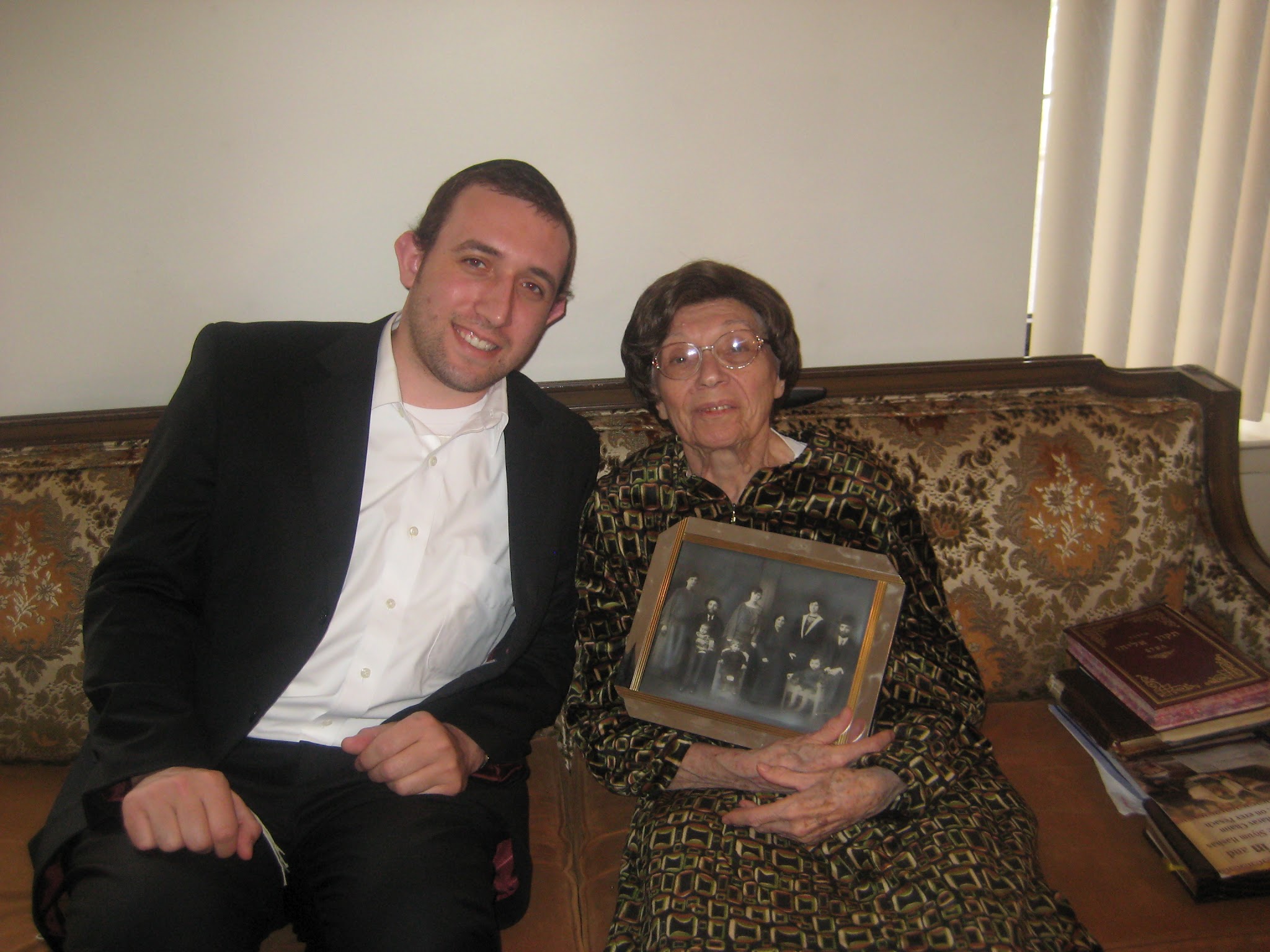


This gallery is incomplete by design. As more family photographs surface — from Sandra in Florida, from cousins in Chicago, from the Feldman descendants in Mobile and Selma, from Tatty's archive — they will be added here. If you have a photograph, a document, or a memory that belongs in this walk through time, please tell us.